Logistics
Borders are procedural, not physical
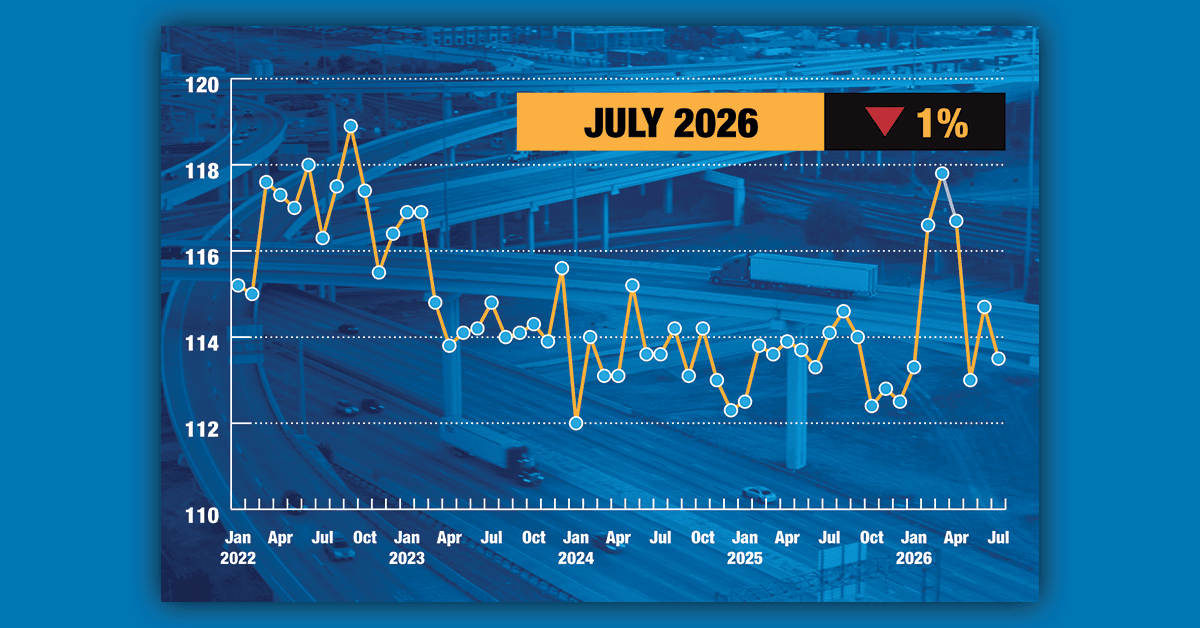
Truck freight across US borders surged 23% in June. The fragile part isn't the road, it's the procedural stack.
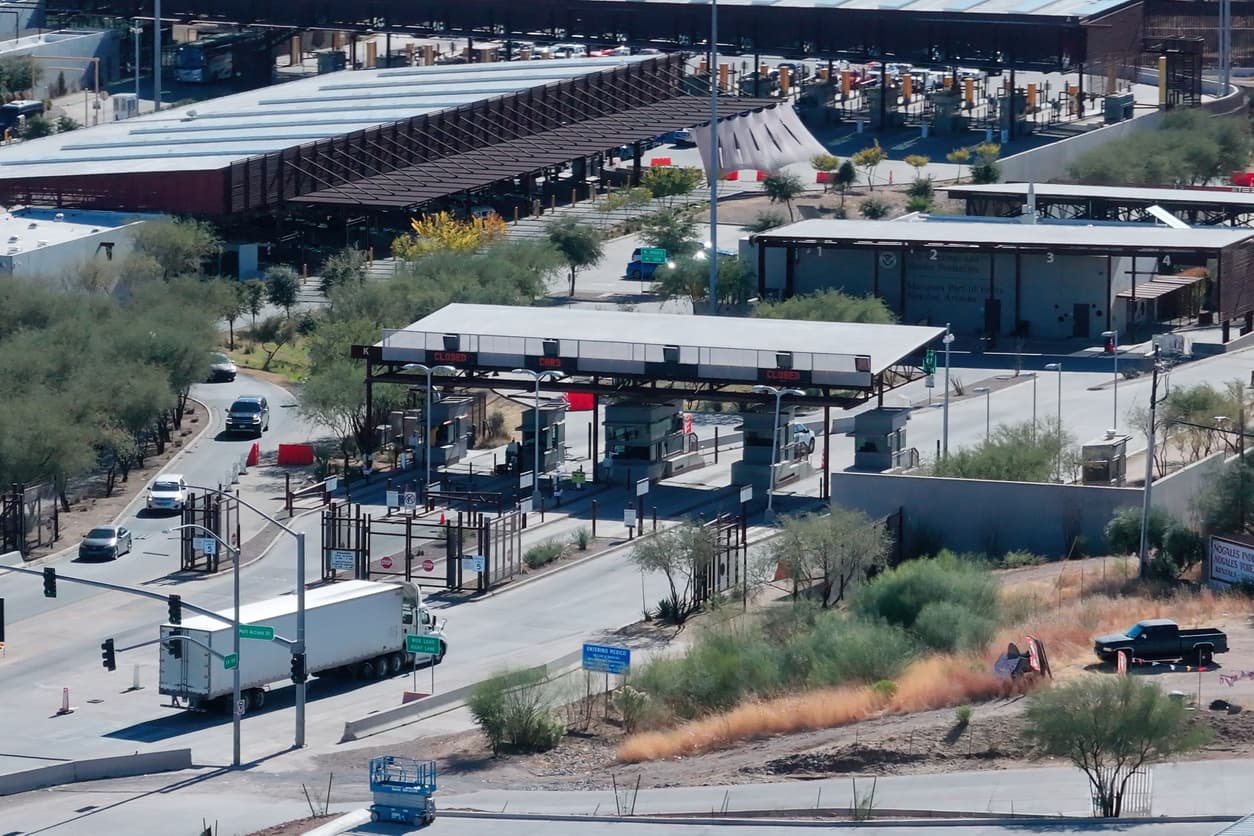
Truck freight across US borders surged 23% in June — the kind of number that puts a strain on every lane that touches a border. Cross-border freight is a triple problem: identity, customs and payment, all in sequence, all with a human in between.
Border flow is identity plus clearing plus settlement
A border crossing is a gauntlet of procedures: the driver’s identity, the truck’s clearance, the customs event, the payment in two currencies. When volume jumps, the procedures multiply faster than the trucks. The fragile point is not the road, it is the procedural stack — the driver who cannot be verified, the paperwork that lives in two languages, the settlement that depends on a customs stamp arriving days late.
Borders are procedural, not physical.
- Driver and truck identity verified before the queue.
- Customs events logged as structured data, not a stamp.
- Payments cleared against crossing events, in both sides of the border.
When freight jumps 23%, the lanes do not widen — they get procedural. The carriers that clear, and settle, on infrastructure designed for the border will be the ones that take the surplus.
Key takeaways
- Truck freight across US borders surged 23% in June — the kind of number that puts a strain on every lane that touches a border.
- Border flow is identity plus clearing plus settlement: When freight jumps 23%, the lanes do not widen — they get procedural.
- Border flow is identity plus clearing plus settlement: A border crossing is a gauntlet of procedures: the driver’s identity, the truck’s clearance, the customs event, the payment in two currencies.
Related reading
Logistics
Trade rules change. The ledger that settles the trip doesn't.
When tariffs shift, the system re-prices the next trip instead of re-papering the last one.
Logistics
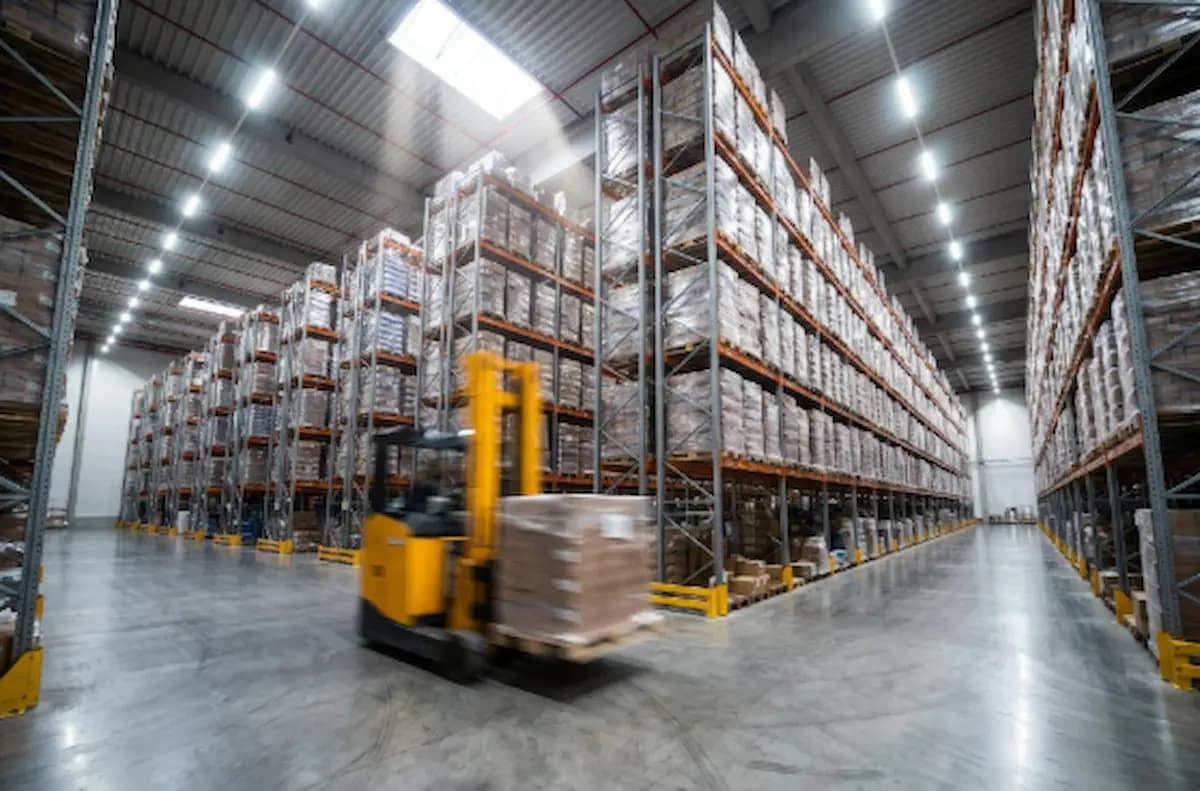
The warehouse is a data model before it is concrete
A rack you can't automate is a liability with a valid lease. Warehouses and trucks must read the same truth.