Logistics
Trade rules change. The ledger that settles the trip doesn't.
USMCA uncertainty is freezing freight. Cross-border operators need a neutral spine for identity, clearing and settlement.
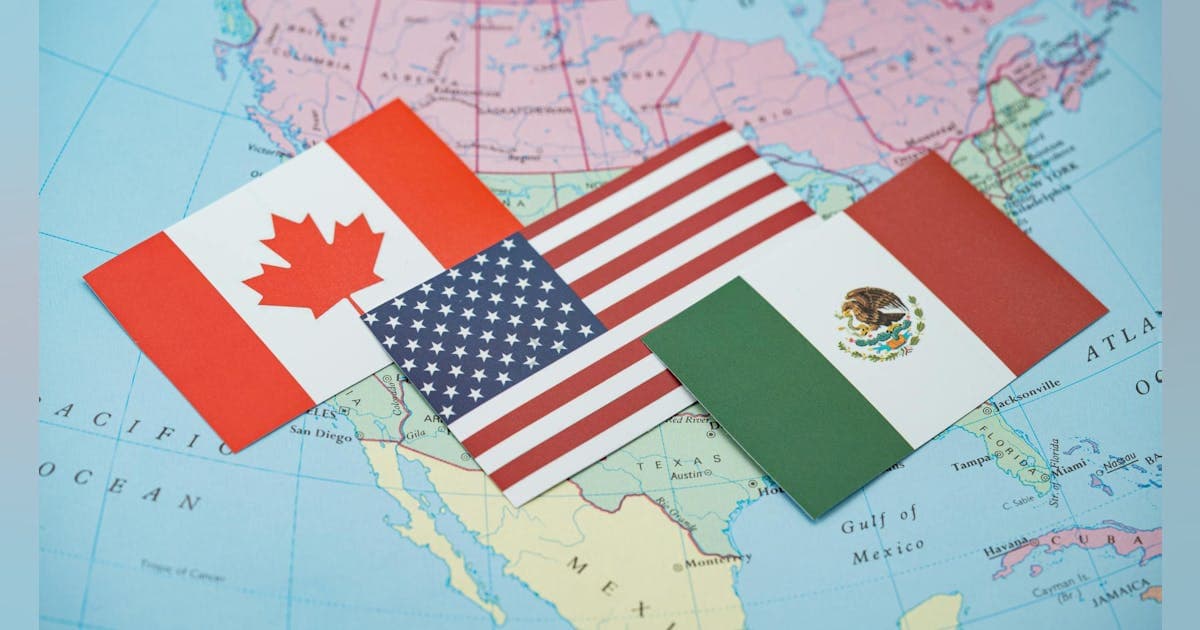
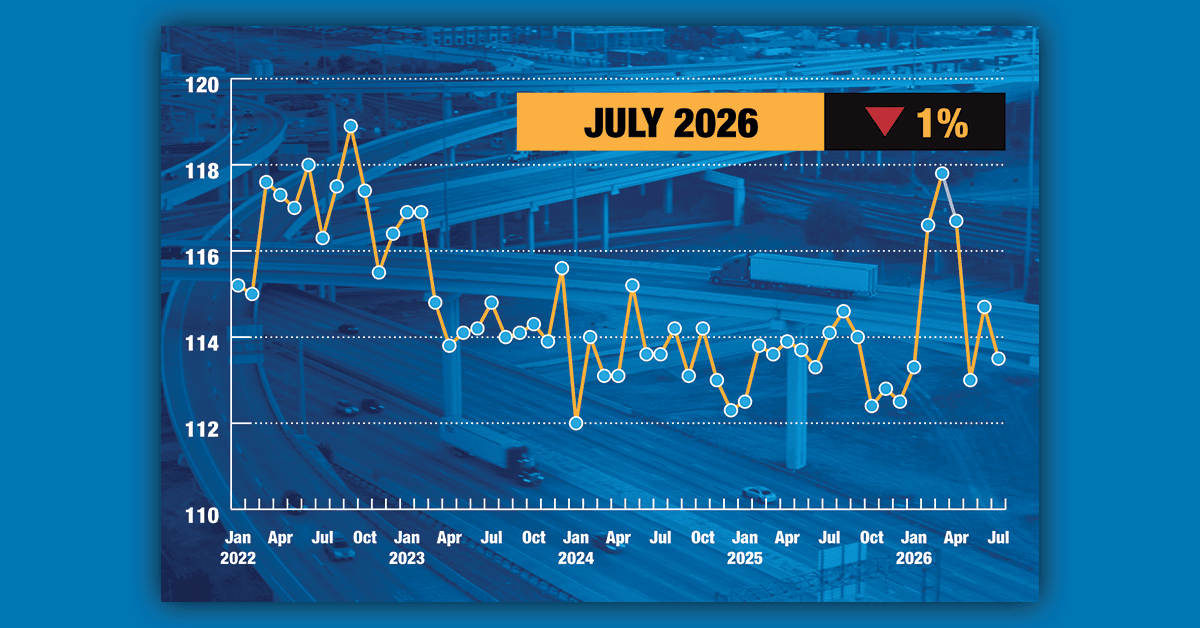
Trade-rule uncertainty is doing what it always does: freezing investment and cooling freight demand before the rules have even changed. Cross-border operators cannot wait for the treaties; they have to keep quoting, routing, clearing and settling across a border whose tariff exposure shifts month to month.
Cross-border is where the ledger earns its keep
A North-American freight movement is not one trip, it is many: a US shipper, a Mexican carrier, a customs clearance, a currency pair, a tax rule that depends on the product classification. In the absence of a shared operating system, every change to the rulebook means re-brokering every relationship.
You cannot renegotiate the tariff tomorrow. But you can settle the trip today, truthfully.
TechnoRides believes the cross-border spine is a neutral ledger that binds a trip across operators, jurisdictions and currencies — identity on one registry, payments settled in the right currency, every event recorded, every party looking at the same truth. When the rules shift, the system re-prices the next trip instead of re-papering the last one.
- One trip, one ledger — across shipper, carrier, broker and customs.
- Settlement in the currency that makes sense for each leg.
- A single truth for auditors and insurers in every jurisdiction.
Politics is variable; the infrastructure of driving is the constant that keeps trade moving.
Key takeaways
- Trade-rule uncertainty is doing what it always does: freezing investment and cooling freight demand before the rules have even changed.
- Cross-border is where the ledger earns its keep: A North-American freight movement is not one trip, it is many: a US shipper, a Mexican carrier, a customs clearance, a currency pair, a tax rule that depends on the product classification.
- Cross-border is where the ledger earns its keep: TechnoRides believes the cross-border spine is a neutral ledger that binds a trip across operators, jurisdictions and currencies — identity on one registry, payments settled in the right currency, every event recorded, every party looking at the same truth.
- Cross-border is where the ledger earns its keep: Politics is variable; the infrastructure of driving is the constant that keeps trade moving.
Related reading
Logistics
Borders are procedural, not physical
When volume jumps, identity, clearing and settlement decide who takes the surplus.
Logistics
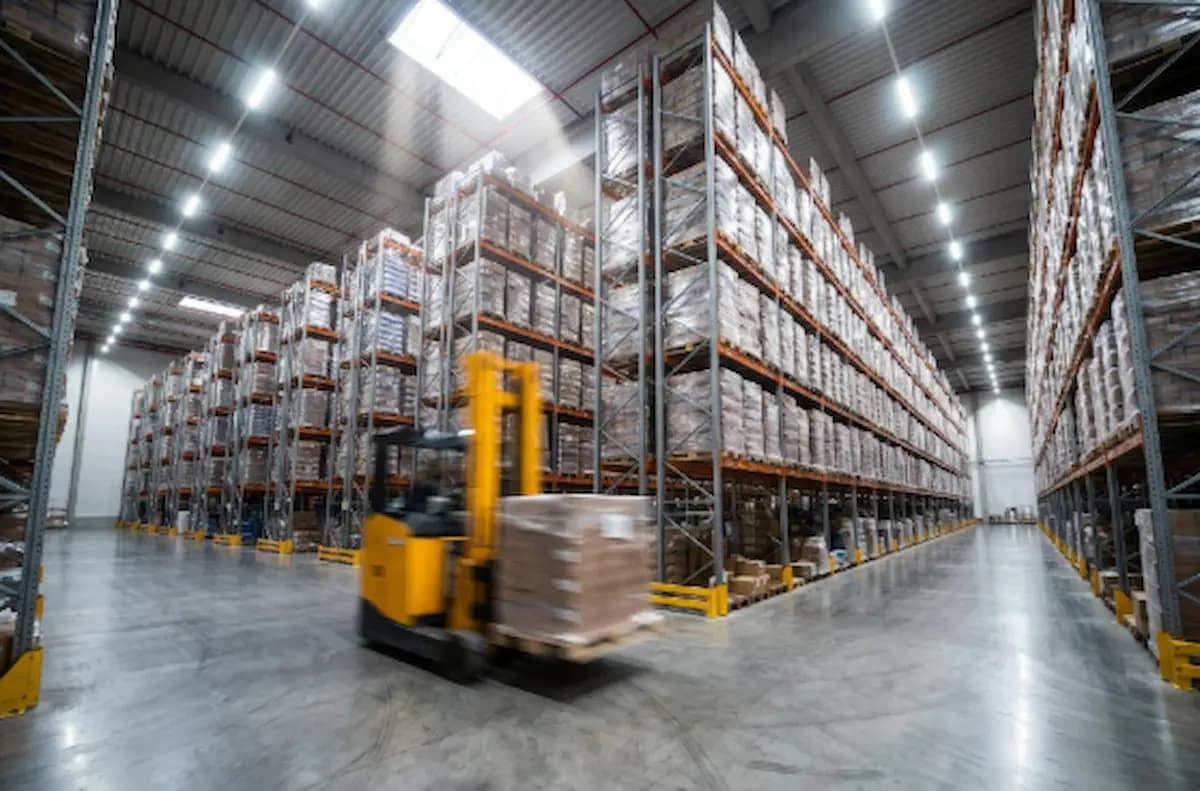
The warehouse is a data model before it is concrete
A rack you can't automate is a liability with a valid lease. Warehouses and trucks must read the same truth.