
Autonomy
Autonomy's next battleground is the registry
The Teamsters are suing the California DMV over autonomous-truck rules. Regulation is now a deployment surface.

The Teamsters are suing the California DMV over autonomous-truck rules — the latest round in the decade-old argument about who decides when and where driverless trucks may run. The fight is inevitable, and the industry should stop treating it as a distraction. Regulation is now a deployment surface as real as the engineering one.
Regulation is the next deployment surface
A state that must grant, review and revoke autonomy permits will drown in paper if permits are PDFs. The durable fix is the one that already works for driver and carrier credentials: verifiable records on a shared registry. A permit becomes an attribute the truck and the operator carry, verifiable at road side, and an incident or a revocation updates the same record the insurer reads.
A permit that cannot be verified is a permit that cannot be enforced.
- A registry for autonomy permits, test telemetry and revocations.
- Attestation that binds a permit to a specific truck and operator.
- Insurance records that stay in lockstep with permission state.
Whoever digitizes compliance first stops litigating the obvious. The registry, not the ruling, is what makes autonomous freight governable at scale.
Key takeaways
- The Teamsters are suing the California DMV over autonomous-truck rules — the latest round in the decade-old argument about who decides when and where driverless trucks may run.
- Regulation is the next deployment surface: A state that must grant, review and revoke autonomy permits will drown in paper if permits are PDFs.
- A permit that cannot be verified is a permit that cannot be enforced.
- Regulation is the next deployment surface: Whoever digitizes compliance first stops litigating the obvious.
Related reading
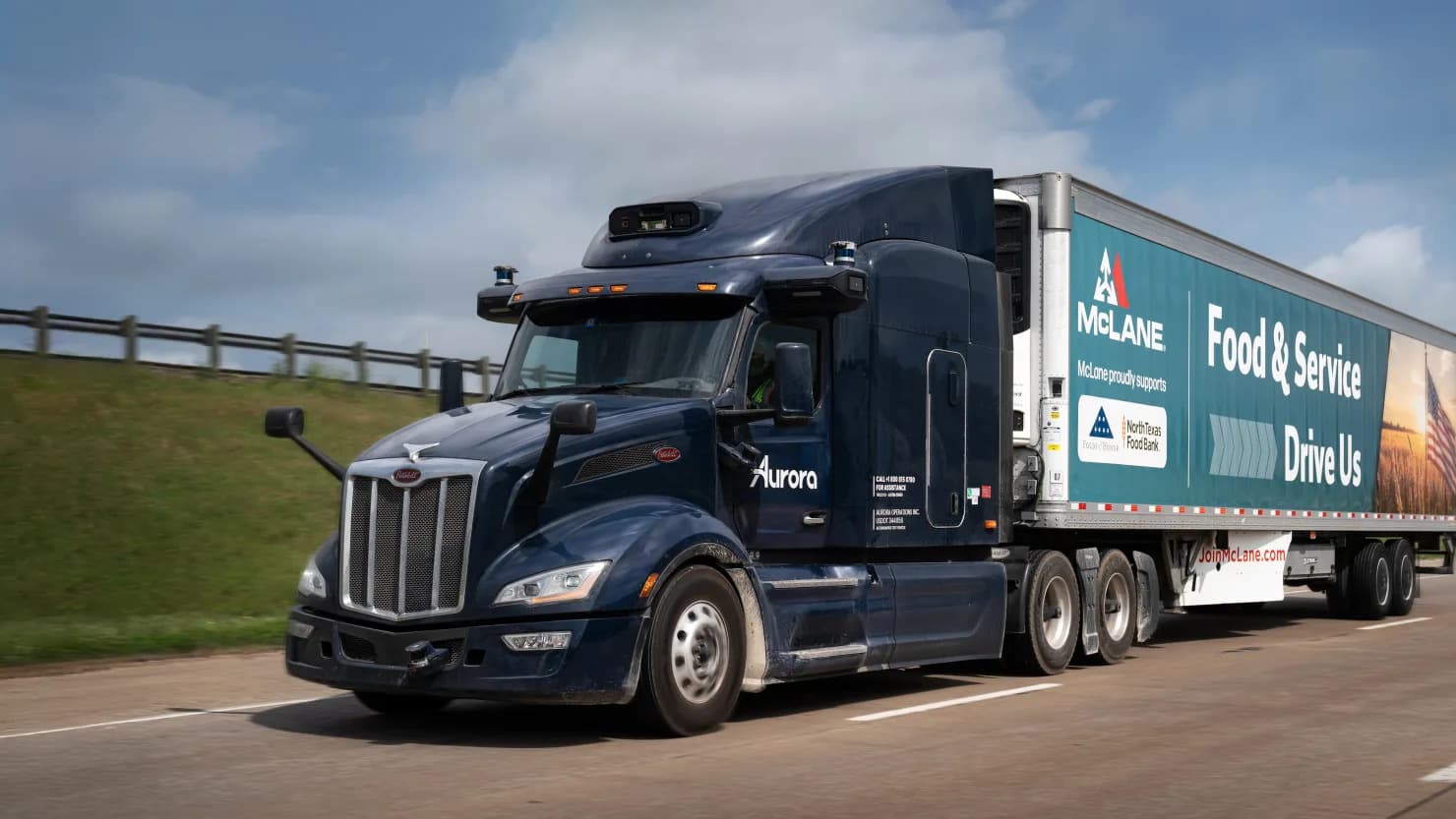
Autonomy
200 autonomous trucks is a dispatch problem in disguise
Autonomy has left the pilot phase. The bottleneck is the operational plane: dispatch, routing, settlement around the driverless truck.
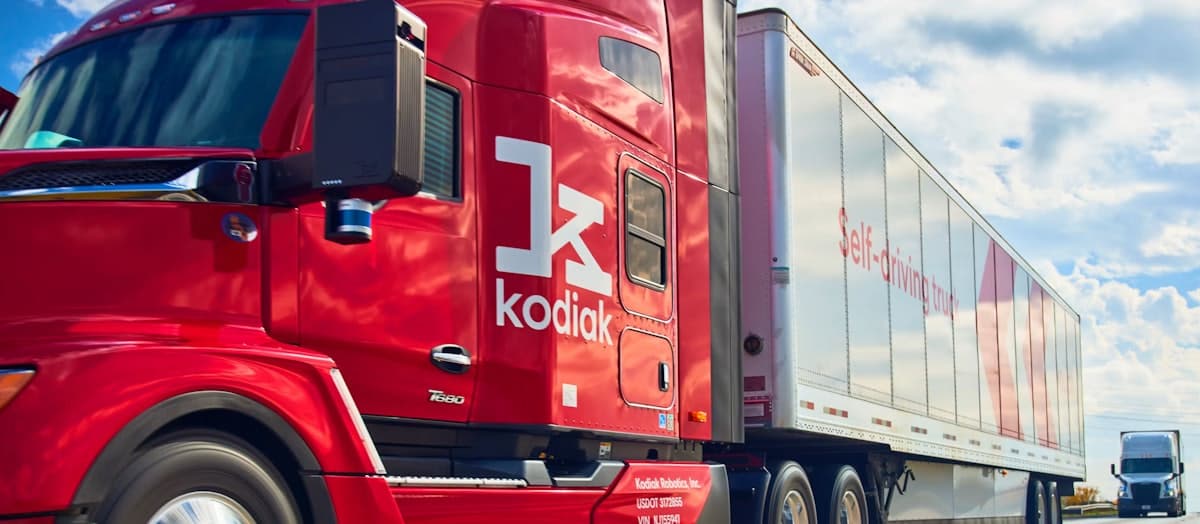
Autonomy
An autonomous-truck permit is an identity problem
Autonomy's real permission slip is the registry that makes permits verifiable, for the truck, the operator, the insurer, the state.
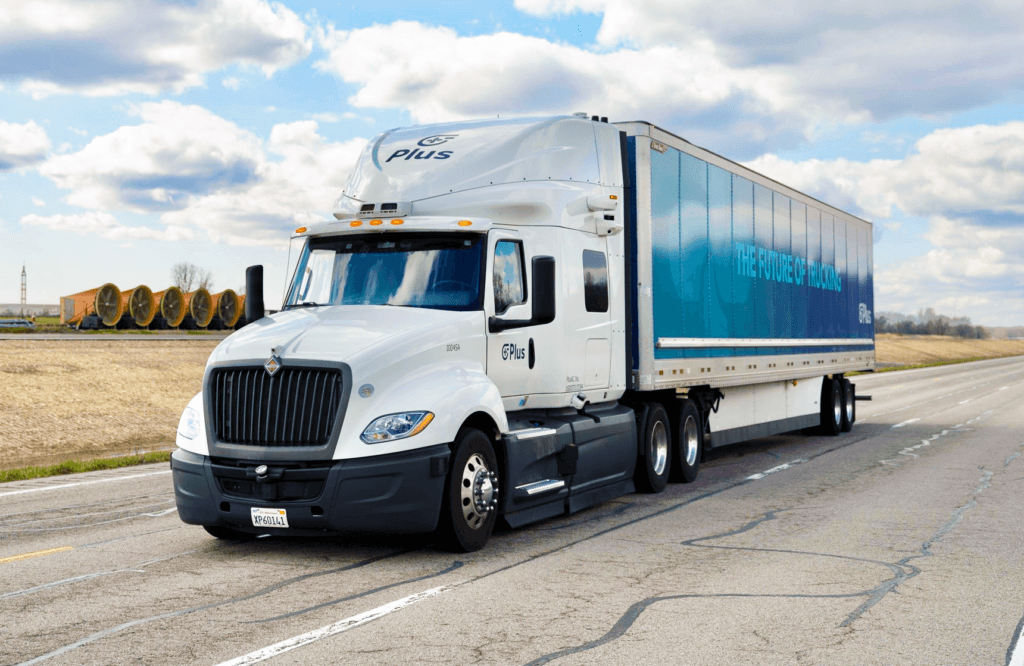
Autonomy
A 2027 autonomy launch is an operations deadline
Autonomy's launch date is an operations deadline: dispatch, insurance, clearing and settlement around the driverless truck.
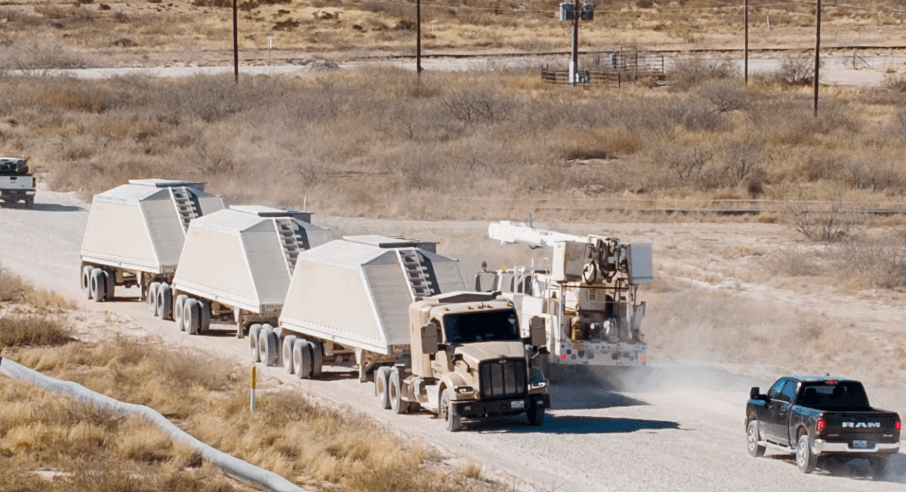
Autonomy
Autonomy scales when trust scales
An autonomous mile is only useful if someone's ledger accepts it.