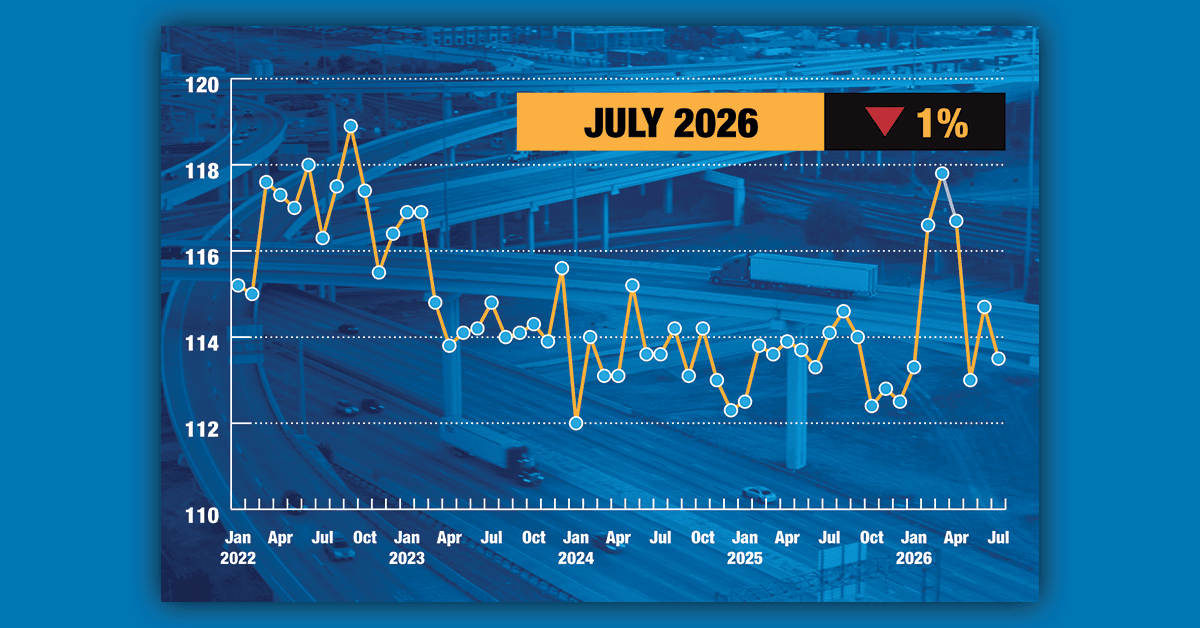
Logistics
Transload facilities: where modes meet and costs decide
The rail-to-truck handoff is a cost point, not just a transfer. Choose the network as carefully as the lane.
A transload facility is where two transport modes agree to meet. For bulk shippers, the map of these facilities is the real logistics infrastructure — a rail-to-truck handoff that decides final-mile economics.
The transfer point is the cost point
Transloading exists because no single mode is optimal end to end. The facility quality — throughput, storage, product handling — determines whether the rail savings survive the truck leg.
- What makes a transload facility good
- Fast turnaround for the truck leg
- Product-compatible handling and storage
- Reliable documentation at the handoff
The rail saves money only if the transfer does not lose it.
The fleets that win the final mile choose handoffs as carefully as they choose lanes. The directory is a map; the operations are the difference.
Key takeaways
- A transload facility is where two transport modes agree to meet.
- The transfer point is the cost point: Transloading exists because no single mode is optimal end to end.
- The rail saves money only if the transfer does not lose it.
- The transfer point is the cost point: The fleets that win the final mile choose handoffs as carefully as they choose lanes.
Related reading

Logistics
Trade rules change. The ledger that settles the trip doesn't.
When tariffs shift, the system re-prices the next trip instead of re-papering the last one.
Logistics
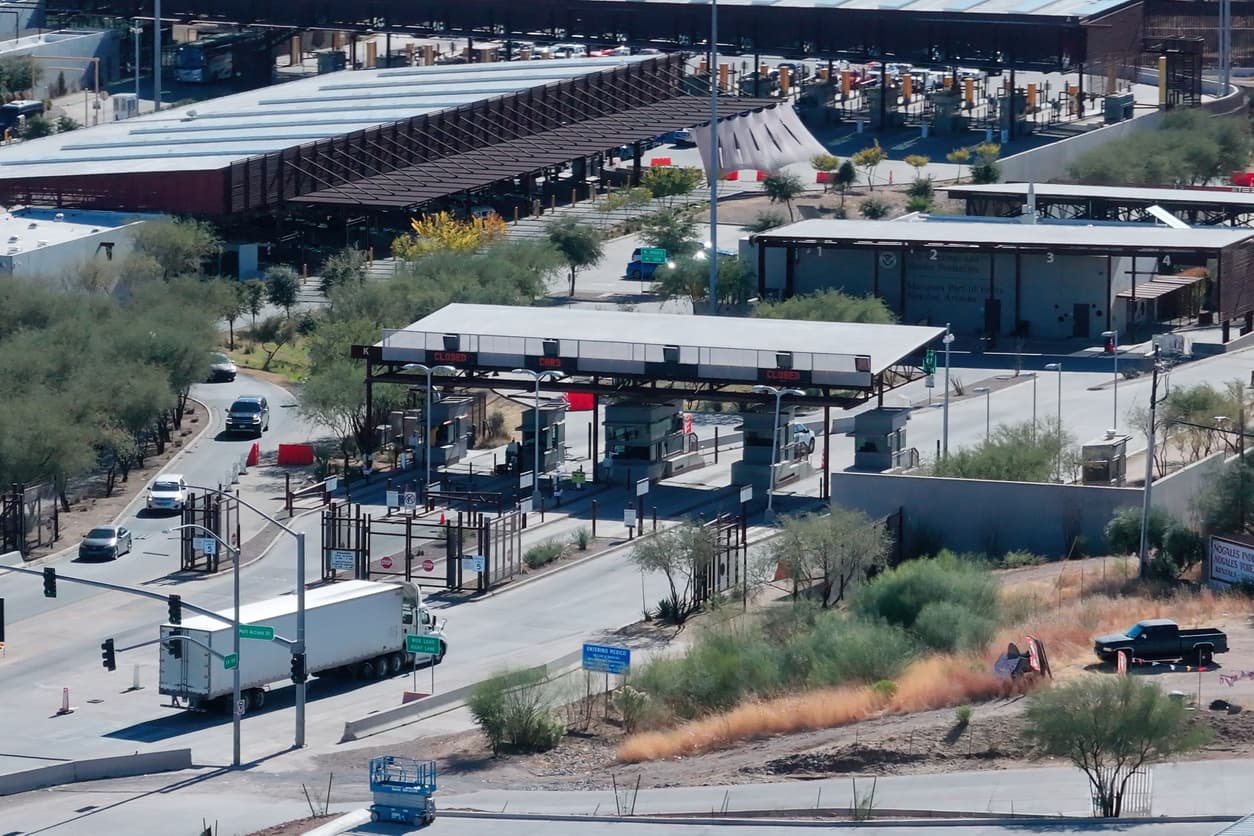
Borders are procedural, not physical
When volume jumps, identity, clearing and settlement decide who takes the surplus.
Logistics
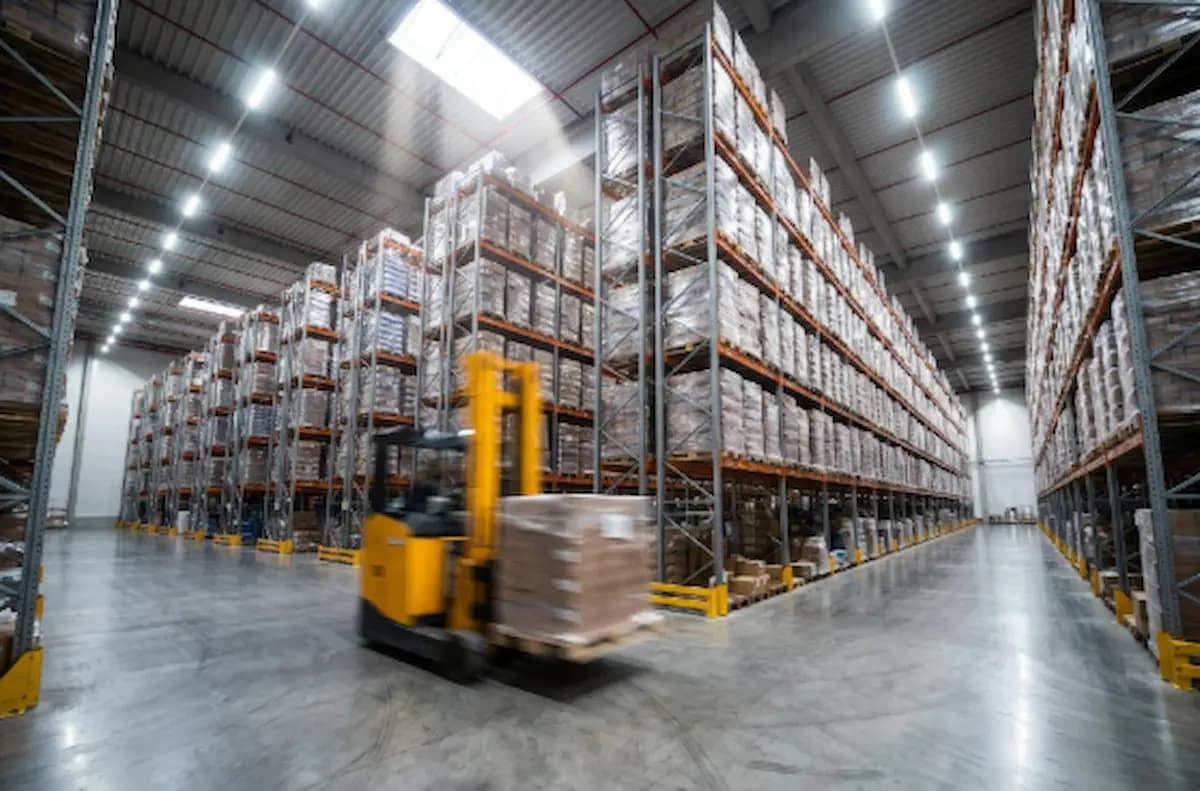
The warehouse is a data model before it is concrete
A rack you can't automate is a liability with a valid lease. Warehouses and trucks must read the same truth.