
Compliance
Cargo tank cleaning: the check that decides the next load
A documented wash protects product integrity and proves compliance. Treat cleanout as data, not a checkbox.
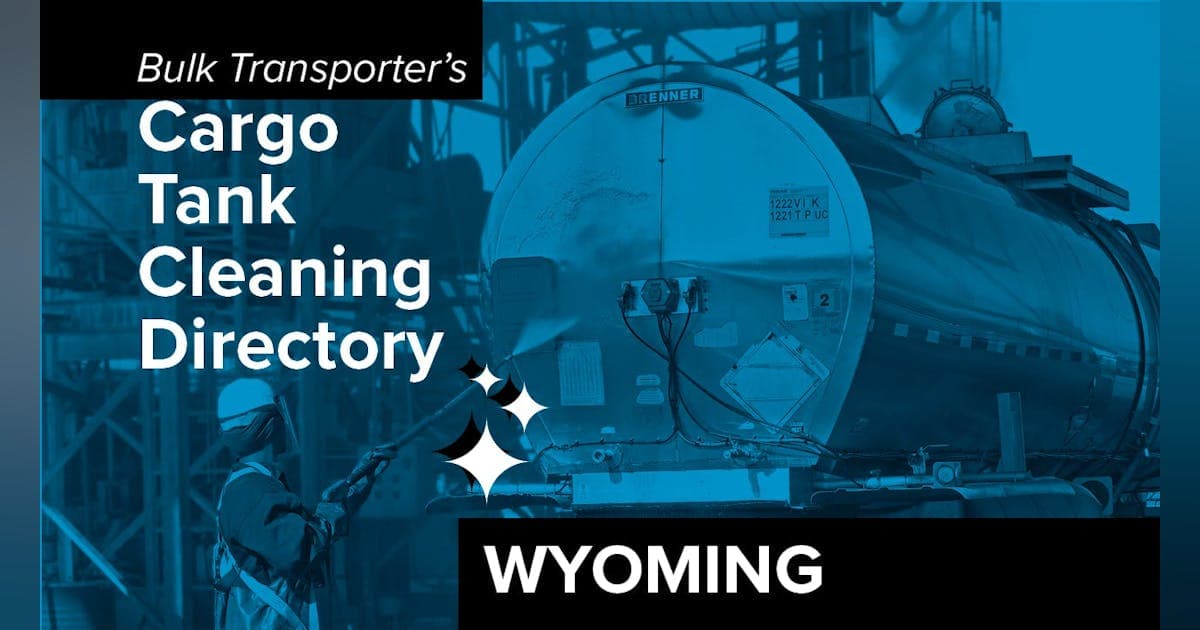
A tank that carried one product and loads the next without a proper wash is a liability with wheels. Cleaning is not a checkbox between loads — it is the moment product integrity and compliance are decided.
The wash is where compliance is proven
For tank carriers, the cleanout record is audit currency. A documented wash at a certified facility proves the trailer was fit for the next product — and protects the carrier when a customer questions a load.
The fleets that stay out of trouble treat cleaning as scheduled maintenance with a digital trail, not as an ad-hoc stop when a driver remembers.
- What a solid cleanout process looks like
- Certified facilities within the operating area
- A wash certificate attached to every trip
- Product-compatibility checks before each load
A tank is only as clean as its last documented wash.
When cleaning is tracked as data — facility, time, product, certificate — the audit becomes a formality instead of a crisis.
Key takeaways
- The wash is where compliance is proven: When cleaning is tracked as data \u2014 facility, time, product, certificate \u2014 the audit becomes a formality instead of a crisis.
- A tank that carried one product and loads the next without a proper wash is a liability with wheels.
- The wash is where compliance is proven: For tank carriers, the cleanout record is audit currency.
- The wash is where compliance is proven: The fleets that stay out of trouble treat cleaning as scheduled maintenance with a digital trail, not as an ad-hoc stop when a driver remembers.
- A tank is only as clean as its last documented wash.
Related reading
Compliance
28,000 revoked CDLs and the case for a registry of record
Licenses, certs and records sit in different drawers. One verifiable registry fixes the gaps where revocation and fraud hide.
Compliance
The court said no to a data grab. The industry needs proofs, not copies.
You don't need all the records to check a license. Issuer-controlled data plus verifiable proofs is the sustainable model.
Compliance
When a state digitizes the permit, the lane gains data
A paper office that becomes a data service is the direction of the whole industry.
Compliance
The records are the infrastructure
Don't ask the driver to be honest; make the infrastructure honest.