
Compliance
When a state digitizes the permit, the lane gains data
Carriers moving over-dimension loads in Oregon can now create their permits online. A digitized permit is one a computer can read.
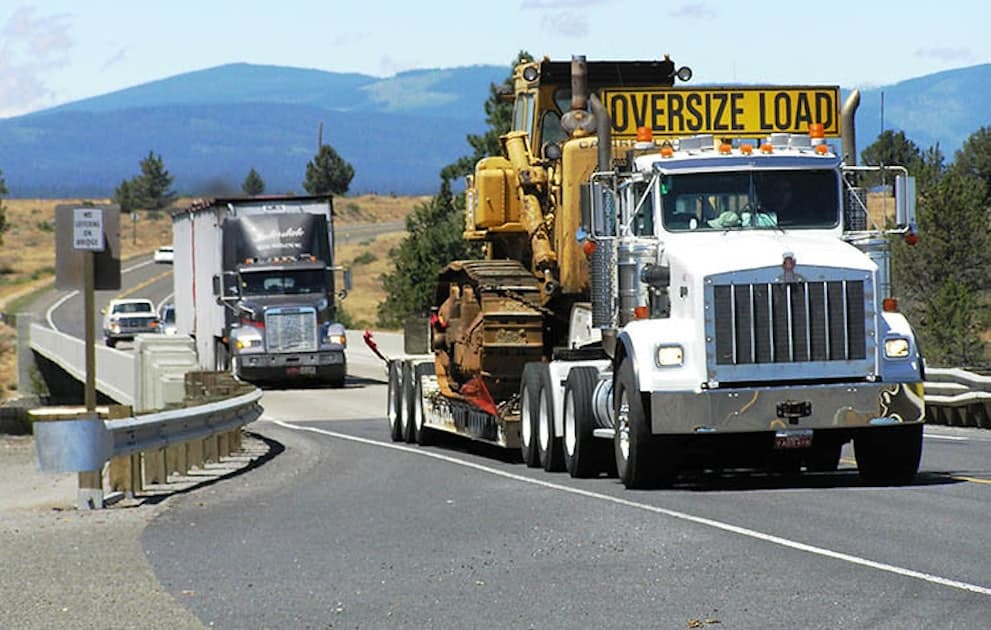
Carriers moving over-dimension loads in Oregon can now create their permits online instead of calling an office. It sounds like a small convenience. It is actually the moment a state began exposing its permit lane as data.
When a state digitizes the permit, the lane gets data
A permit that is generated online is a permit that can be read by a computer — verified at roadside, checked against a route, and turned into a routing constraint before the truck leaves. This is the pattern the whole industry needs: government borders and regulators exposing their own lane as an API, so the private side can plan around it. The permit is the same identity/registry problem as a driver, and it is finally going online.
A permit is a lane-access signal; digitized, it is a lane-data signal.
- Permits verified at roadside against the live registry.
- Routing software respecting permit constraints automatically.
- A paper office that turns into a data service for the freight side.
Oregon should get credit for moving; the market should treat it as the direction of travel. Every state, every port, every bridge gets safer when the paper becomes data.
Key takeaways
- Carriers moving over-dimension loads in Oregon can now create their permits online instead of calling an office.
- When a state digitizes the permit, the lane gets data: A permit that is generated online is a permit that can be read by a computer — verified at roadside, checked against a route, and turned into a routing constraint before the truck leaves.
- A permit is a lane-access signal; digitized, it is a lane-data signal.
- When a state digitizes the permit, the lane gets data: Oregon should get credit for moving; the market should treat it as the direction of travel.
Related reading
Compliance
28,000 revoked CDLs and the case for a registry of record
Licenses, certs and records sit in different drawers. One verifiable registry fixes the gaps where revocation and fraud hide.
Compliance
The court said no to a data grab. The industry needs proofs, not copies.
You don't need all the records to check a license. Issuer-controlled data plus verifiable proofs is the sustainable model.
Compliance
The records are the infrastructure
Don't ask the driver to be honest; make the infrastructure honest.
Compliance
Policing identity by hand doesn't scale
Double brokering shrinks to a niche the day the ledger knows who owns a load.