
Compliance
Policing identity by hand doesn't scale
Courts are cracking down on double brokers in two important new cases. If your carrier verification is a PDF, you don't have verification.

Courts are cracking down on double brokers — operators who sell the same load twice, then vanish. Two new cases give the industry a landmark. Double brokering is a setup that only works because trust is verified by hand: the carrier that shows up at the dock has no way to confirm the broker actually owns the load.
Policing identity by hand does not scale
Every documented case of double brokering is a handshake failure. The victim carrier’s invoice is a fake; the seller’s identity is a persona; the load was never theirs to sell. Courts and carriers both keep reacting after the fact. The preventive fix is verification at the point of booking: a registry where a load is owned by one party, a carrier that checks authority and insurance before the wheels turn, and a settlement that pays the party that actually performed.
If your carrier verification is a PDF, you do not have verification.
- Load ownership asserted on a registry, not a signature.
- Carrier and insurance verified at booking, not at the dock.
- Payment released to the party that performed the trip.
The courts are sending the message; the industry should wire it in. Double brokering shrinks to a niche the day the ledger knows who owns a load.
Key takeaways
- Courts are cracking down on double brokers — operators who sell the same load twice, then vanish.
- Policing identity by hand does not scale: Every documented case of double brokering is a handshake failure.
- If your carrier verification is a PDF, you do not have verification.
- Policing identity by hand does not scale: The courts are sending the message; the industry should wire it in.
Related reading
Compliance
28,000 revoked CDLs and the case for a registry of record
Licenses, certs and records sit in different drawers. One verifiable registry fixes the gaps where revocation and fraud hide.
Compliance
The court said no to a data grab. The industry needs proofs, not copies.
You don't need all the records to check a license. Issuer-controlled data plus verifiable proofs is the sustainable model.
Compliance
When a state digitizes the permit, the lane gains data
A paper office that becomes a data service is the direction of the whole industry.
Compliance
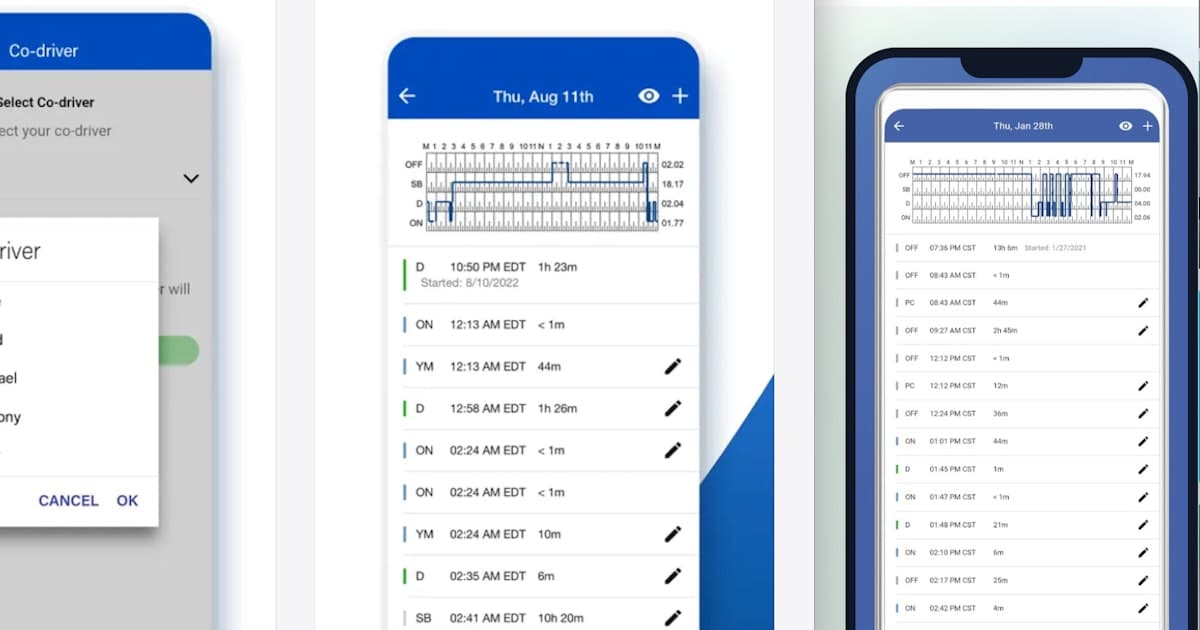
The records are the infrastructure
Don't ask the driver to be honest; make the infrastructure honest.