
Compliance
A license is not proof if it can be rented
Three federal cases put a spotlight on identity fraud tied to CDLs. The driver file is the weakest infrastructure in trucking.
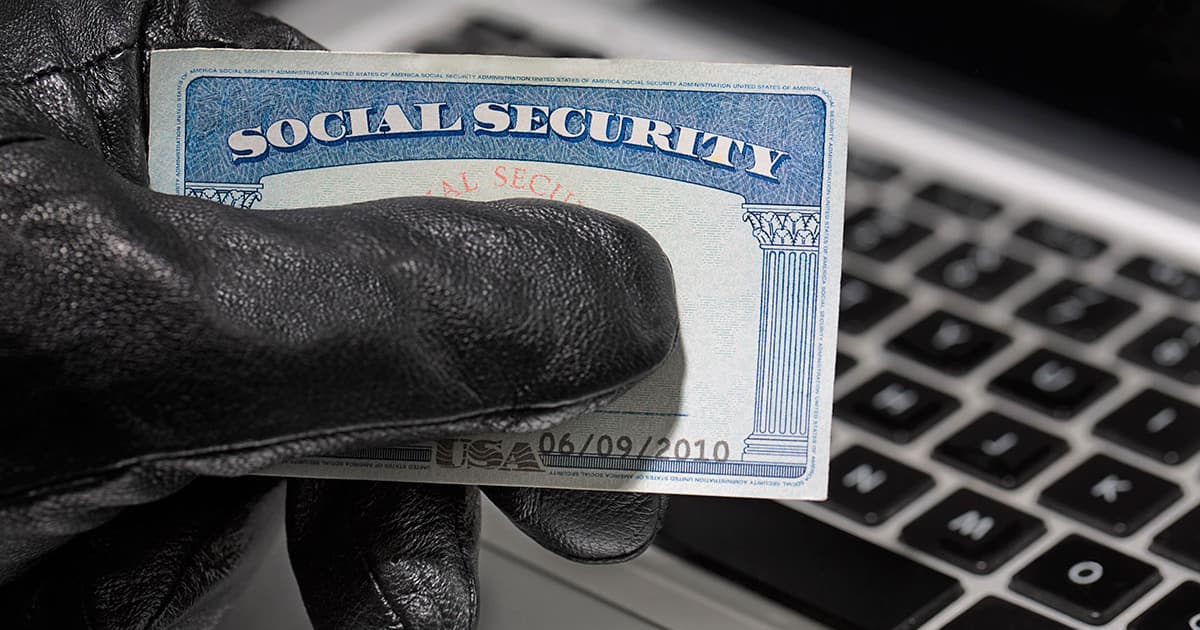
Three federal cases put a spotlight on identity fraud tied to CDLs — drivers renting out their identity, other people driving under someone else’s license. The cases are a sample of a problem the industry has known for years: a CDL is a credential that is not actually bound to the person holding it.
A license is not proof if it can be rented
The driver file is the weakest infrastructure in trucking. Your physical license can be borrowed, your record can be piggybacked, and the person behind the wheel is not verifiable from the paper. The fix is cryptographic identity: a driver credential that is bound to the individual, checked against a live registry at every step, and that the insurer, the employer and the regulator can all trust.
The driver file is the weakest infrastructure in trucking.
- A credential tied to the person, not transferable to a name.
- Identity verified at the dock, the scale, and the roadside.
- Records that let a carrier prove who actually drove, when it matters.
The federal cases are a reminder that trucking’s fraud problems are identity problems. The industry gets to fix the infrastructure, not just the paperwork.
Key takeaways
- Three federal cases put a spotlight on identity fraud tied to CDLs — drivers renting out their identity, other people driving under someone else’s license.
- A license is not proof if it can be rented: The driver file is the weakest infrastructure in trucking.
- A license is not proof if it can be rented: The federal cases are a reminder that trucking’s fraud problems are identity problems.
Related reading
Compliance
28,000 revoked CDLs and the case for a registry of record
Licenses, certs and records sit in different drawers. One verifiable registry fixes the gaps where revocation and fraud hide.
Compliance
The court said no to a data grab. The industry needs proofs, not copies.
You don't need all the records to check a license. Issuer-controlled data plus verifiable proofs is the sustainable model.
Compliance
When a state digitizes the permit, the lane gains data
A paper office that becomes a data service is the direction of the whole industry.
Compliance
The records are the infrastructure
Don't ask the driver to be honest; make the infrastructure honest.