
Fleet operations
An electric fleet is a scheduling problem
Einride plans to add 500 Tesla Semis. At that size the constraint is the schedule, charging, range and the price of energy.
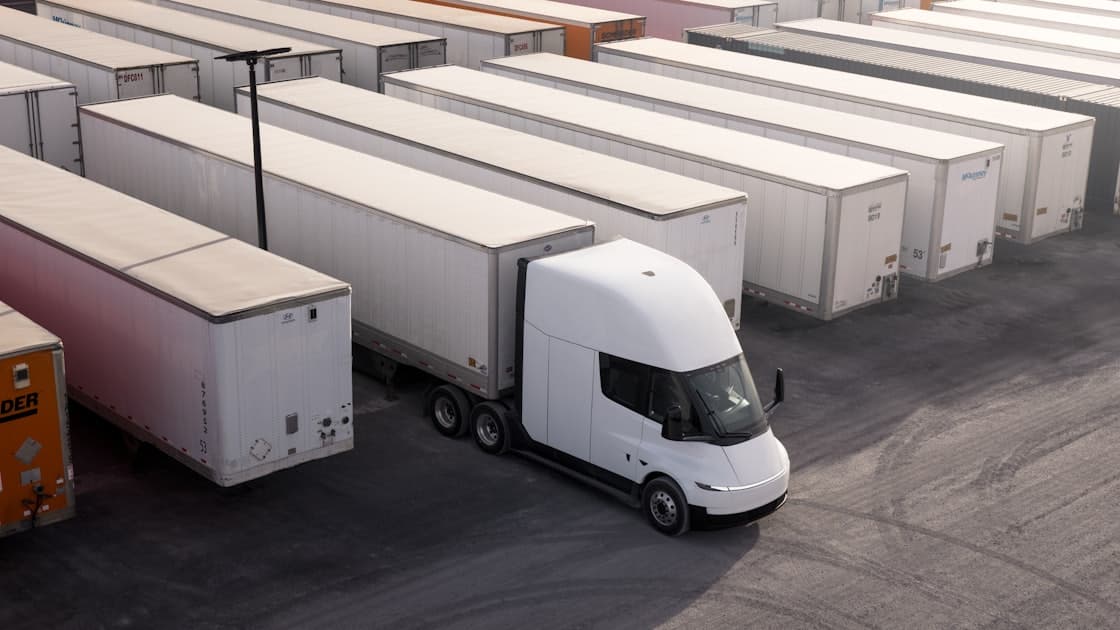
Einride plans to add 500 Tesla Semis to its fleet — a vote of confidence in electric long-haul at serious scale. Five hundred trucks is a turning point, because at that size the constraint stops being the vehicle and becomes the schedule: where the trucks charge, when the charge happens, and who pays for the electricity.
An electric fleet is a scheduling problem first
The battery is a fuel tank with a schedule.
With 500 EVs, a charging bay is a slot in a calendar, not a pipe in a yard. The dispatch system has to plan energy the way it plans a dock window — reserve the charger, know the price curve, understand how weather and load change range. TechnoRide treats charging as a dispatch decision: the order, the truck, the charging slot and the energy cost settle into the same plan and the same ledger.
- Charging slots reserved inside the dispatch plan, not after it.
- Range recomputed against load, weather and elevation.
- Energy costs and delivery revenue on one ledger line per trip.
The 500-truck EV fleet is the moment when electricity stops being a detail and starts being a lane. The fleets that plan it as scheduling will run it as a business.
Key takeaways
- Einride plans to add 500 Tesla Semis to its fleet — a vote of confidence in electric long-haul at serious scale.
- An electric fleet is a scheduling problem first: With 500 EVs, a charging bay is a slot in a calendar, not a pipe in a yard.
- An electric fleet is a scheduling problem first: The 500-truck EV fleet is the moment when electricity stops being a detail and starts being a lane.
- The battery is a fuel tank with a schedule.
Related reading
Fleet operations
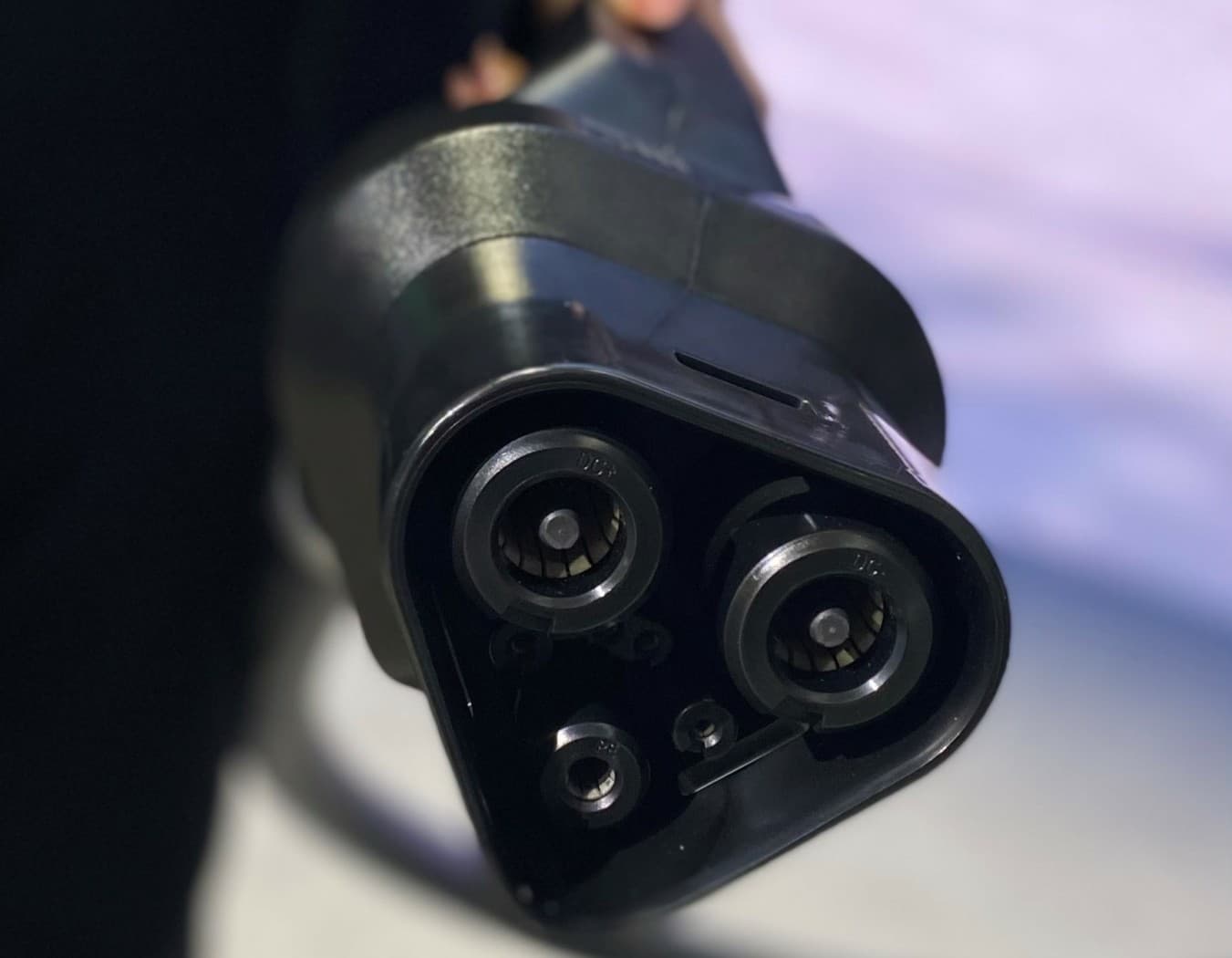
Charging hubs need a coordination plane
A charging hub without slot data is a parking lot with a price tag.
Fleet operations
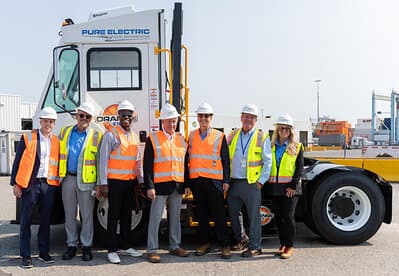
The yard is where electrification pays first
Yards run at full resolution: every move counted, every watt attributed.
Fleet operations
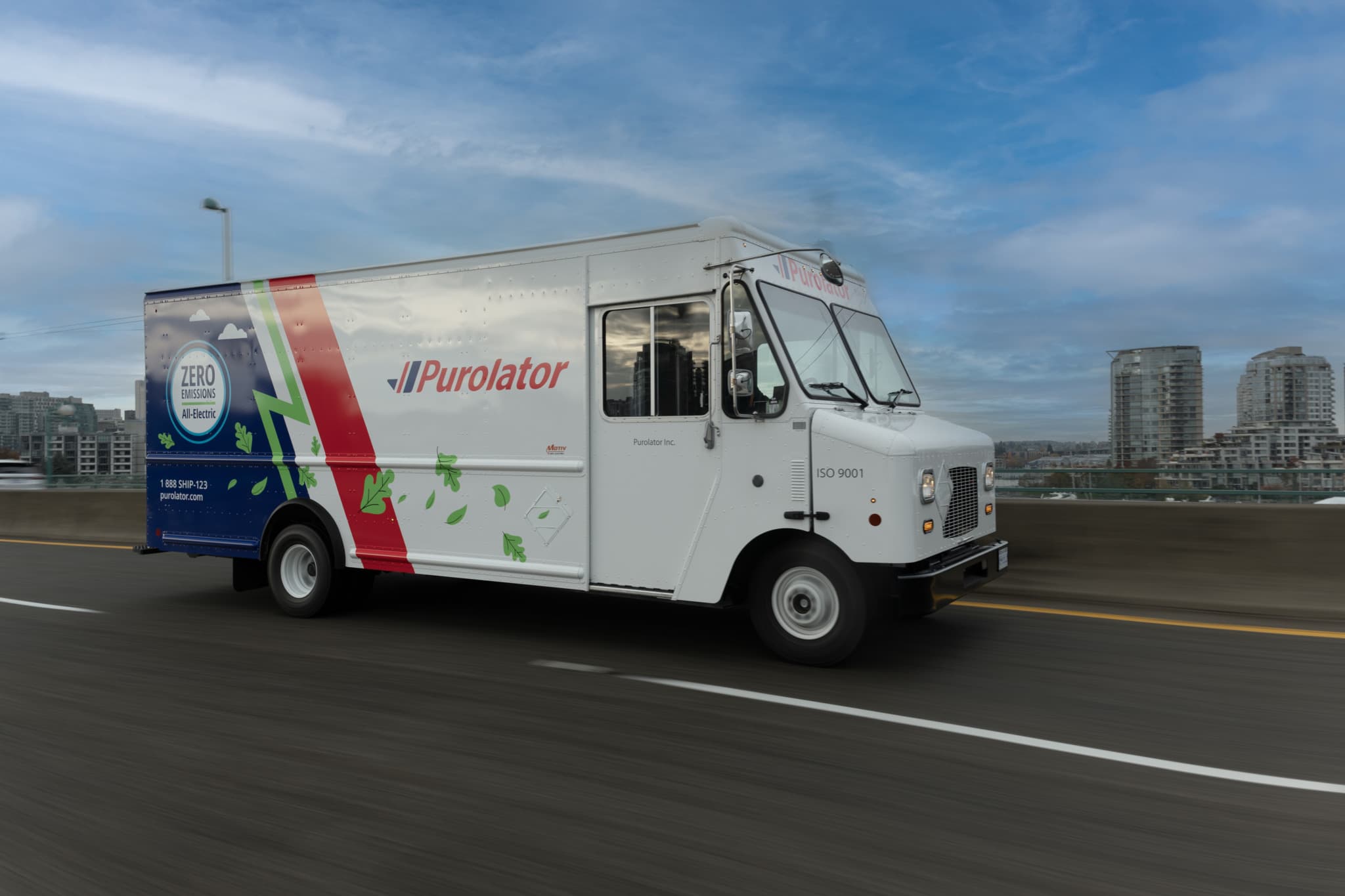
The electric last mile is a routing constraint
Range is a live constraint. Plan for it in real time and settle the trip against real consumption.
Fleet operations
AI last mile needs live, structured data
An AI model is only as smart as the operation plane it is allowed to read.