
Fleet operations
Charging hubs need a coordination plane
The Port of San Diego advances a 70-bay electric truck charging hub. Chargers need scheduling more than concrete.
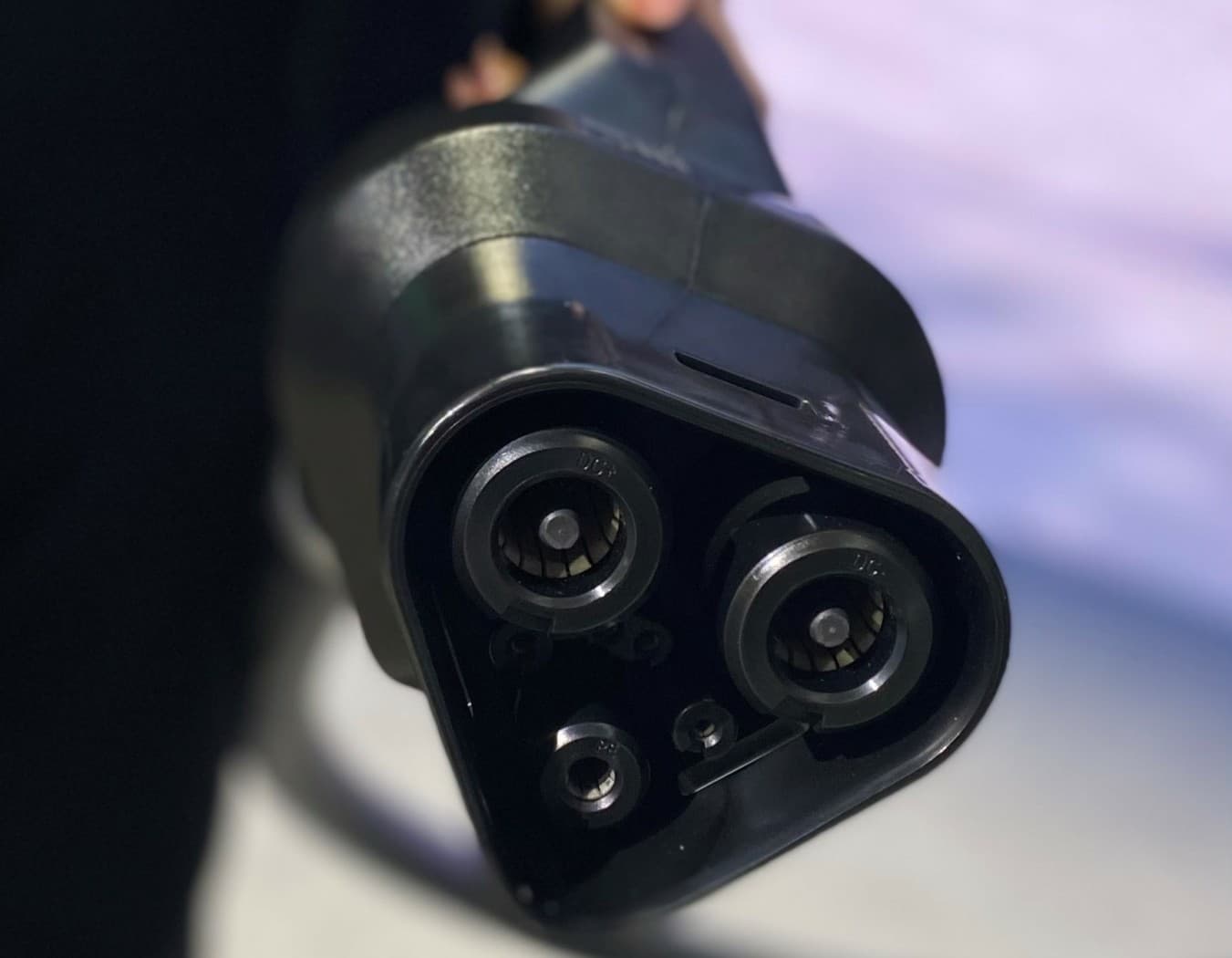
The Port of San Diego is advancing a 70-bay electric truck charging hub — charging infrastructure placed right at the freight gate. A port is the hardest and most valuable place to put this infrastructure, because every arrival and departure is a scheduled event with a dock window and a load.
Charging infrastructure needs a coordination plane
Seventy charging bays are only as good as the plan that assigns them. The port becomes a queue manager: the truck that arrives early, the truck whose vessel is delayed, the bay that is out of service. A charging hub without live slot data is a parking lot with a price tag; a charging hub wired into the dispatch plane is a resilient part of the lane.
Electricity is a lane too — and it has to be scheduled like one.
This is the TechnoRide operation plane applied to energy: charging slots as open slots, dwell time priced, and every kilowatt-hour reconciled to the trip that consumed it. Ports, hubs and terminals that run charging like a real freight business will be the ones that move first.
Key takeaways
- The Port of San Diego is advancing a 70-bay electric truck charging hub — charging infrastructure placed right at the freight gate.
- Charging infrastructure needs a coordination plane: Seventy charging bays are only as good as the plan that assigns them.
- Electricity is a lane too — and it has to be scheduled like one.
- Charging infrastructure needs a coordination plane: This is the TechnoRide operation plane applied to energy: charging slots as open slots, dwell time priced, and every kilowatt-hour reconciled to the trip that consumed it.
Related reading
Fleet operations
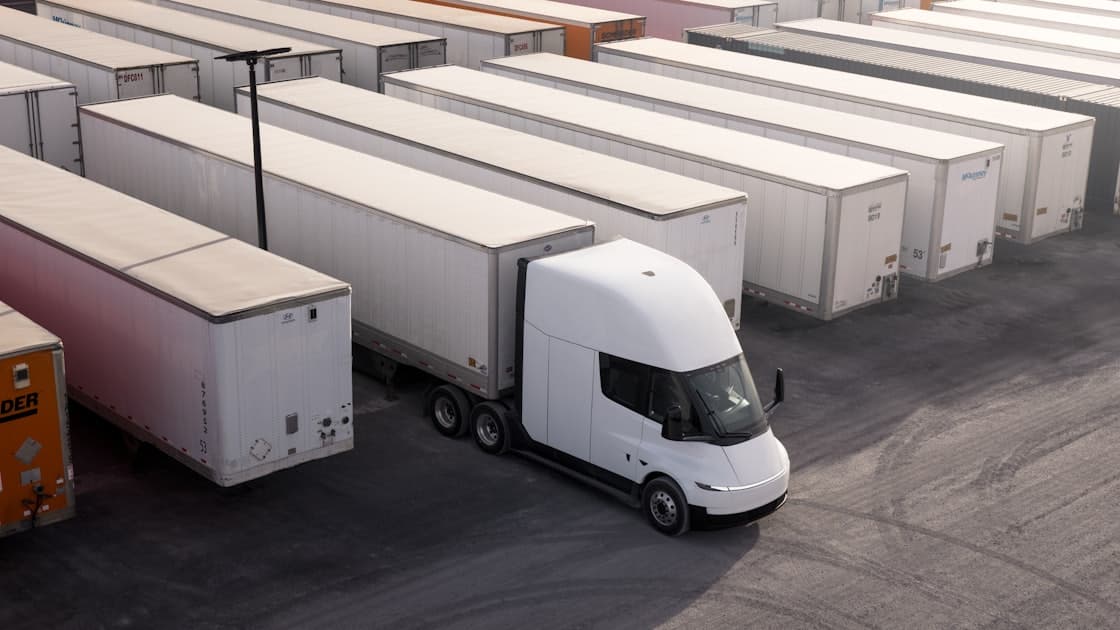
An electric fleet is a scheduling problem
The battery is a fuel tank with a schedule. Plan charging like a dock window.
Fleet operations
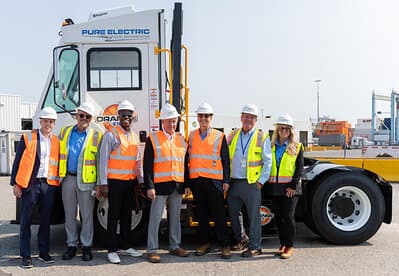
The yard is where electrification pays first
Yards run at full resolution: every move counted, every watt attributed.

Fleet operations
The electric last mile is a routing constraint
Range is a live constraint. Plan for it in real time and settle the trip against real consumption.
Fleet operations
AI last mile needs live, structured data
An AI model is only as smart as the operation plane it is allowed to read.