
Fleet operations
The electric last mile is a routing constraint
Purolator's electric fleet passes 550 vehicles. Range is a hard resource that changes with the weather.
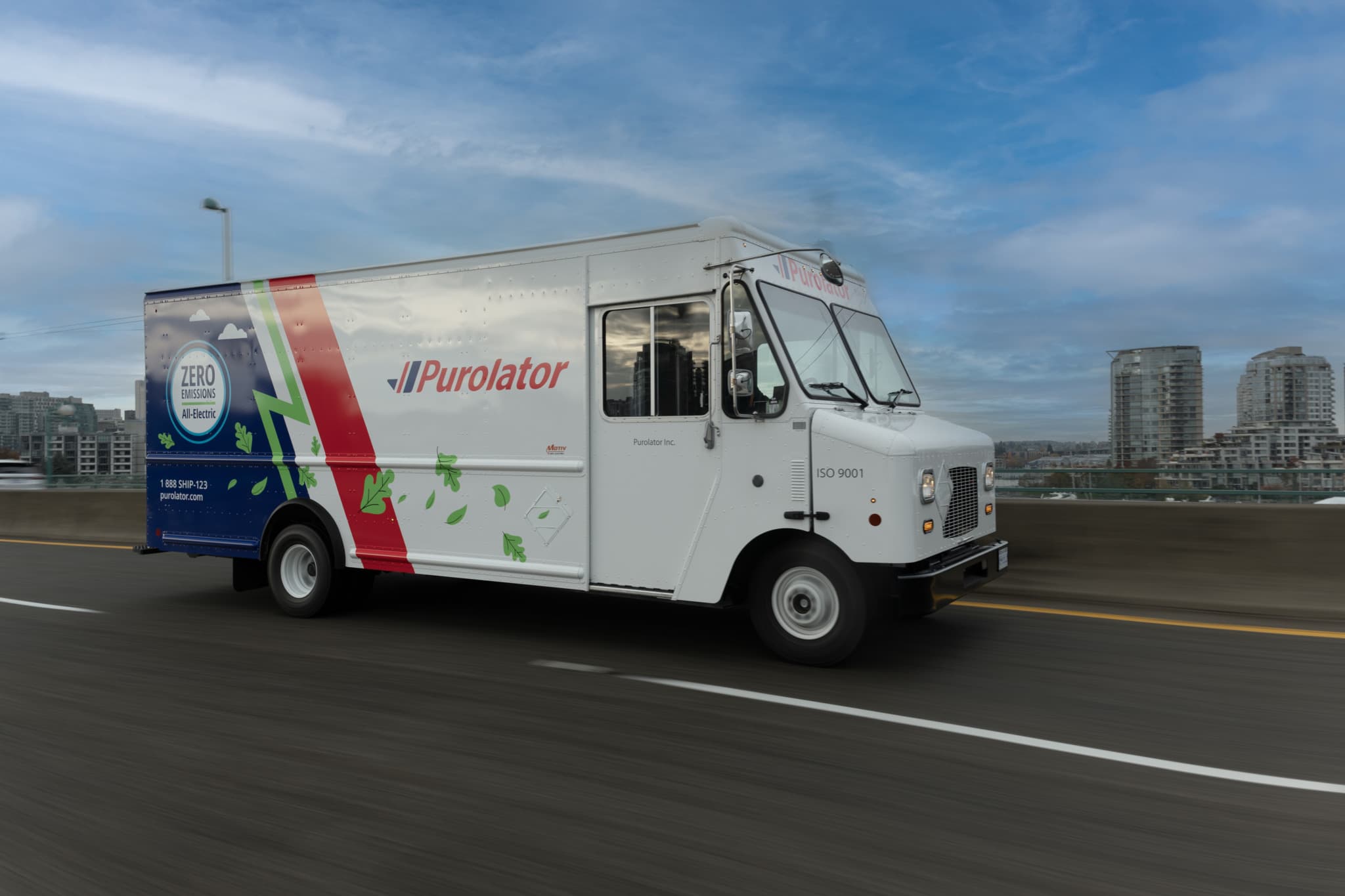
Purolator’s electric fleet has passed 550 vehicles — a last-mile carrier committing to electric at a scale that changes the routing math. Electric last-mile trucks have range envelopes that are anything in an actual window: cold weather, elevation and load all move the range by the hour.
Last-mile electrification is a routing constraint
A combustion van can ignore the battery. An electric van forces the dispatch system to respect range as a hard resource: what loop can the van do today? Which depot does it come home to? Where is the next charger relative to the route? The systems that treat range as a live input, and that settle the trip against real consumption, will out-operate fleets that still plan the old way.
Range is a routing constraint that changes with the weather.
- Routes built against real range, not a brochure number.
- Depot charging slots reserved before the loop starts.
- Settlement with the actual kilowatt-hours consumed, per trip.
Fifty-five hundred EVs are a fleet. Five hundred are a statement. The network that optimizes range instead of bragging about it is the one that survives the electric transition.
Key takeaways
- Purolator’s electric fleet has passed 550 vehicles — a last-mile carrier committing to electric at a scale that changes the routing math.
- Range is a routing constraint that changes with the weather.
Related reading
Fleet operations
An electric fleet is a scheduling problem
The battery is a fuel tank with a schedule. Plan charging like a dock window.
Fleet operations
Charging hubs need a coordination plane
A charging hub without slot data is a parking lot with a price tag.

Fleet operations
The yard is where electrification pays first
Yards run at full resolution: every move counted, every watt attributed.
Fleet operations
AI last mile needs live, structured data
An AI model is only as smart as the operation plane it is allowed to read.