
Autonomy
The dock is where autonomy pays first
FedEx expands autonomous trailer loading at its docks. The dock is a data problem before it is a robotics problem.
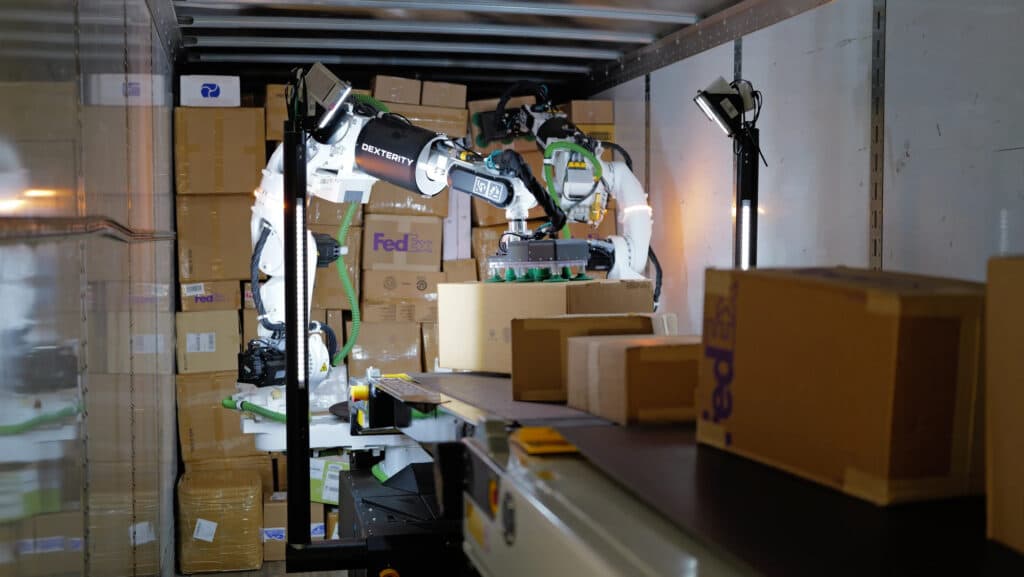
FedEx is expanding autonomous trailer loading at its docks — box-moving robots on the warehouse floor. It is an easy story to file under “warehouse automation,” and it is actually a story about the highway. The dock is the place where the truck and the facility meet, and if that handoff is digital on both sides, the whole trip gets cheaper and cleaner.
The dock and the highway read the same truth
An autonomous loader needs to know the trailer’s interior geometry, the load plan, the dock slot and the door. That is the same data a dispatch system needs to route the truck, schedule the appointment and settle the trip. When the dock exposes its state — slot availability, load progress, trailer-level tracking — the truck becomes a predictable input instead of a surprise.
Automation pays first at the dock because the dock is a data problem before it is a robotics problem.
- Dock slots exposed as data, so dispatch plans against real windows.
- Trailer-level tracking from load to road.
- Settlement on a verified load and unload, not on a signature.
Warehouse robotics will improve one dock at a time. The compound win is infrastructure that lets the truck, the facility and the ledger agree on the same events.
Key takeaways
- FedEx is expanding autonomous trailer loading at its docks — box-moving robots on the warehouse floor.
- The dock and the highway read the same truth: An autonomous loader needs to know the trailer’s interior geometry, the load plan, the dock slot and the door.
- Automation pays first at the dock because the dock is a data problem before it is a robotics problem.
- The dock and the highway read the same truth: Warehouse robotics will improve one dock at a time.
Related reading
Autonomy
200 autonomous trucks is a dispatch problem in disguise
Autonomy has left the pilot phase. The bottleneck is the operational plane: dispatch, routing, settlement around the driverless truck.
Autonomy
An autonomous-truck permit is an identity problem
Autonomy's real permission slip is the registry that makes permits verifiable, for the truck, the operator, the insurer, the state.

Autonomy
Autonomy's next battleground is the registry
A permit that cannot be verified is a permit that cannot be enforced.
Autonomy
A 2027 autonomy launch is an operations deadline
Autonomy's launch date is an operations deadline: dispatch, insurance, clearing and settlement around the driverless truck.