Routing
AI in LTL: turning stops into a routing win
LTL margins live in stop sequencing. AI and a modern TMS cut empty miles and add stops per hour.
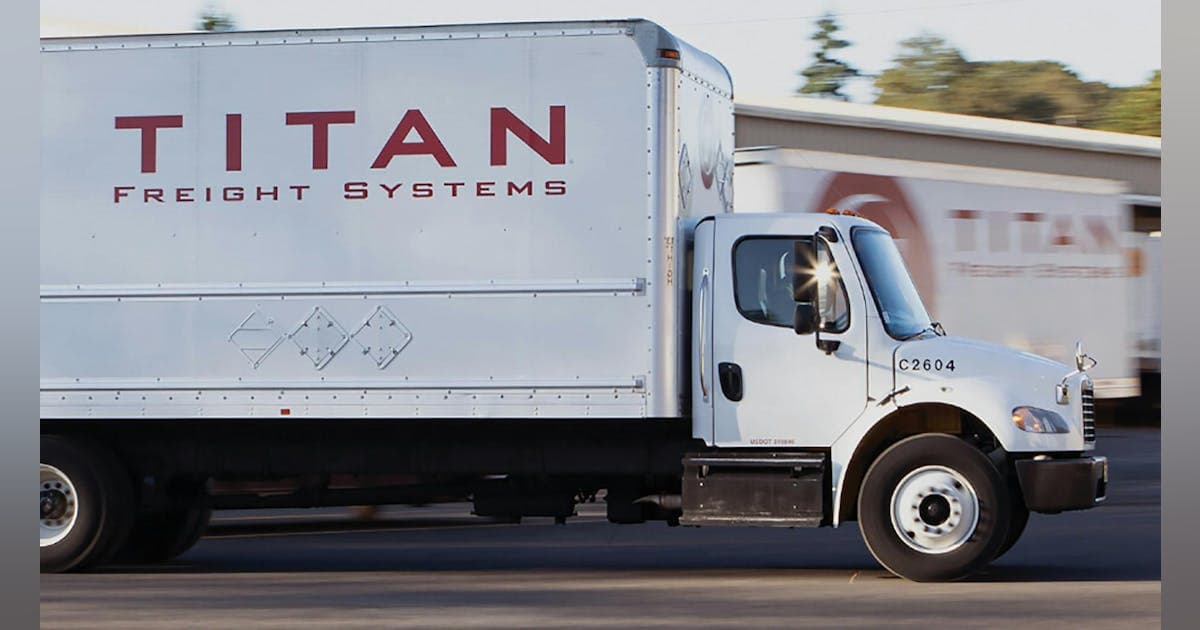
LTL fleets run on density — more stops per route means more profit per mile. AI and a strong TMS help a dispatcher find the stops that fit, in the order that saves the most time.
LTL efficiency is a routing puzzle
The difference between a good and a great LTL route is measured in minutes at each dock. Automated routing learns from every pickup and delivery, compressing the puzzle into one optimized plan.
- Where AI pays in LTL
- Better stop sequencing
- Smarter tender acceptance
- Fewer empty and deadhead miles
Every stop that fits better is a mile that does not need to happen.
The fleets that win LTL are not moving more — they are moving more efficiently, one optimized plan at a time.
Key takeaways
- LTL fleets run on density \u2014 more stops per route means more profit per mile.
- LTL efficiency is a routing puzzle: The fleets that win LTL are not moving more \u2014 they are moving more efficiently, one optimized plan at a time.
- LTL efficiency is a routing puzzle: The difference between a good and a great LTL route is measured in minutes at each dock.
- Every stop that fits better is a mile that does not need to happen.
Related reading
Routing
Google is entering truck routing. That's good news.
Better maps help. The load, the price and the margin still decide which route actually makes money.
Routing
Routing a truck to a tomato field that has no address
When the destination is a polygon, not an address, the winning fleet recomputes the plan against live signals and settles on what happened.

Routing
Routing resilience is recomputation
A route is a bet against the world changing; the platform is the hedge.