
Routing
Routing resilience is recomputation
The Hormuz closure puts land-bridge and intermodal alternatives back on the table. Static lanes break; re-route, reprice, settle.
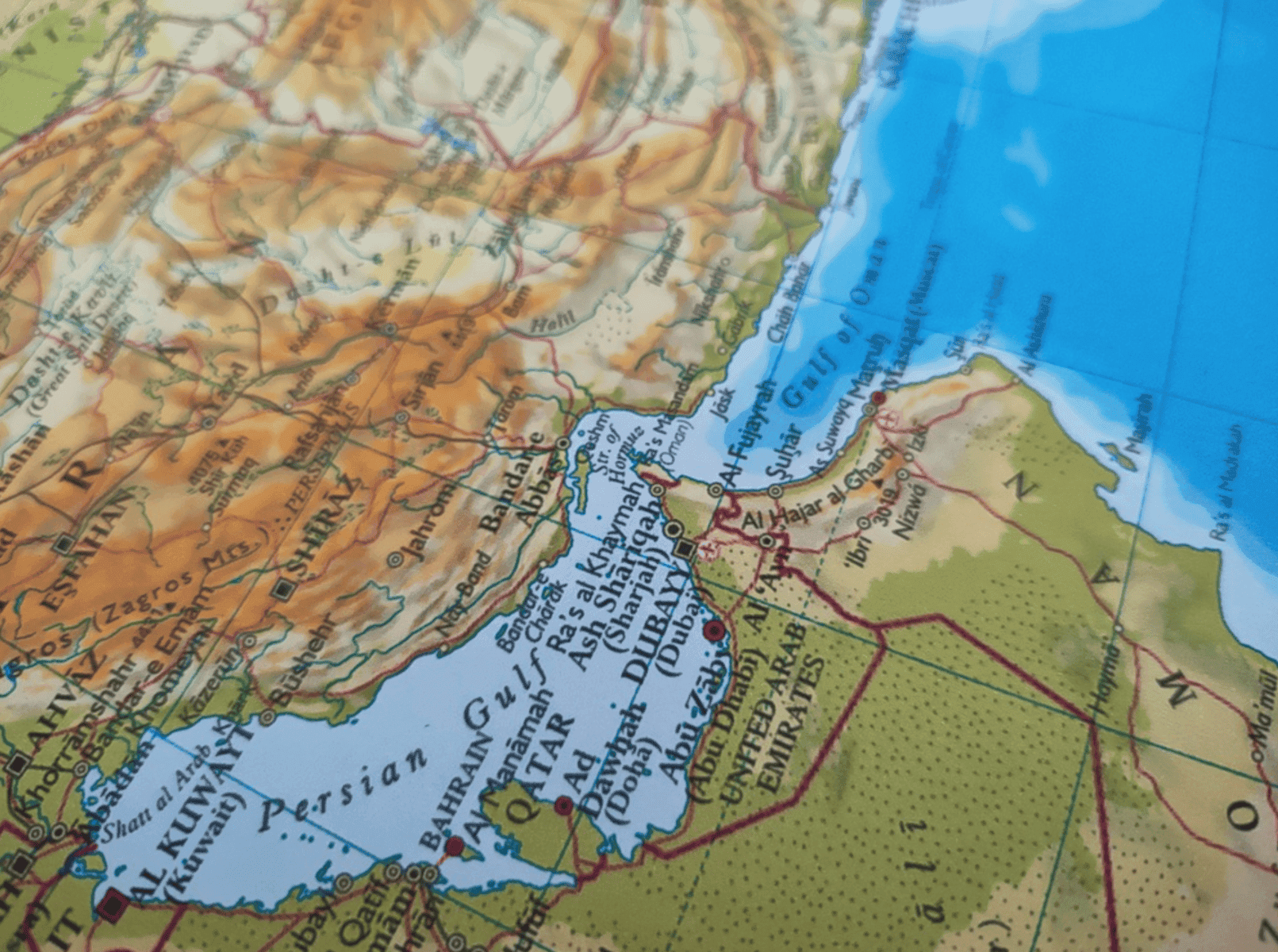
When the Strait of Hormuz tightened, freight planners dusted off land-bridge and intermodal alternatives around the Persian Gulf — rail corridors that re-route cargo from closed sea lanes. It is a reminder that global freight moves on routing that is only as stable as the world around it.
Routing resilience is recomputation
A static lane book breaks the day a strait, port or highway stops working. The resilient networks are the ones that re-route — that recompute a plan against the live picture, reprice it, and settle the new version without a fight. The value of a platform that holds the order, the tracking and the ledger in one place is exactly this: when the world changes, the next plan is hours away instead of weeks away.
A route is a bet against the world changing; a platform is the hedge.
- Alternate lanes computed against live port and corridor state.
- Intermodal handoffs planned as first-class legs, not exceptions.
- Repricing and settlement that follow the re-routed plan, not the old one.
Geopolitics decides the shock; data decides the response time. The freight networks that route like software will keep the freight moving.
Key takeaways
- When the Strait of Hormuz tightened, freight planners dusted off land-bridge and intermodal alternatives around the Persian Gulf — rail corridors that re-route cargo from closed sea lanes.
- Routing resilience is recomputation: A static lane book breaks the day a strait, port or highway stops working.
- A route is a bet against the world changing; a platform is the hedge.
- Routing resilience is recomputation: Geopolitics decides the shock; data decides the response time.
Related reading
Routing
Google is entering truck routing. That's good news.
Better maps help. The load, the price and the margin still decide which route actually makes money.

Routing
Routing a truck to a tomato field that has no address
When the destination is a polygon, not an address, the winning fleet recomputes the plan against live signals and settles on what happened.
Routing
AI in LTL: turning stops into a routing win
LTL efficiency is a routing puzzle AI keeps solving.