
Routing
Routing a truck to a tomato field that has no address
Morning Star recovered 5,600 hours routing to address-less fields. The lesson: routing is a live coordination problem, not a maps problem.
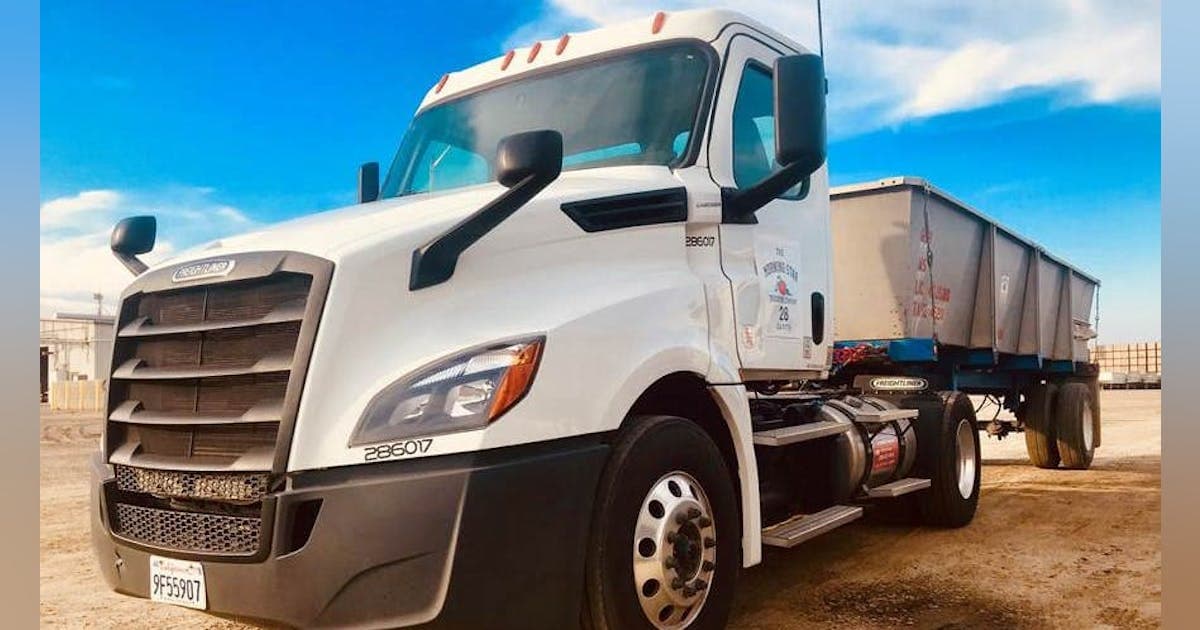
Morning Star reports it recovered 5,600 driving hours by routing trucks to tomato fields that literally have no address. It is a deceptively simple win with an important lesson: the highest-value routing problems are not the ones with clean addresses — they are the ones where the destination only exists as a coordinate, a map pin or a geo-fence.
Routing is a coordination problem, not a maps problem
Classic navigation assumes a street address exists. Agriculture, construction, ports and energy do not play that game: pickups and deliveries move to wherever the harvest or the job is that day. Fleets that win treat the dispatch plan as something recomputed against live signals — field progress, equipment location, dock windows — not as a static plan from the morning.
A great route today is a bad route at noon if the field moved, the dock closed or the load changed.
This is where the TechnoRides dispatch plane earns its keep. The Node holds the live order, tracking the equipment and the network state; routing is a recomputed output, not a saved trip. When the destination is a polygon rather than an address, the order, the payment and the proof-of-delivery all still bind to that polygon — and the ledger records exactly where the truck went and when.
- Address-less destinations resolved by live signal, not by street maps.
- Re-planning when the day changes, without losing the audit trail.
- Settlement tied to actual performance, not planned performance.
Trucking’s operational edge over the next decade belongs to whoever treats the route as a live computation — and settles the trip on what actually happened.
Key takeaways
- Morning Star reports it recovered 5,600 driving hours by routing trucks to tomato fields that literally have no address.
- A great route today is a bad route at noon if the field moved, the dock closed or the load changed.
- Routing is a coordination problem, not a maps problem: This is where the TechnoRides dispatch plane earns its keep.
- Routing is a coordination problem, not a maps problem: Trucking’s operational edge over the next decade belongs to whoever treats the route as a live computation — and settles the trip on what actually happened.
Related reading
Routing
Google is entering truck routing. That's good news.
Better maps help. The load, the price and the margin still decide which route actually makes money.
Routing
Routing resilience is recomputation
A route is a bet against the world changing; the platform is the hedge.
Routing
AI in LTL: turning stops into a routing win
LTL efficiency is a routing puzzle AI keeps solving.