Logistics
Fuel volatility is a planning cost
The surcharge happens after the spike. The hedge happens before, that is the difference.
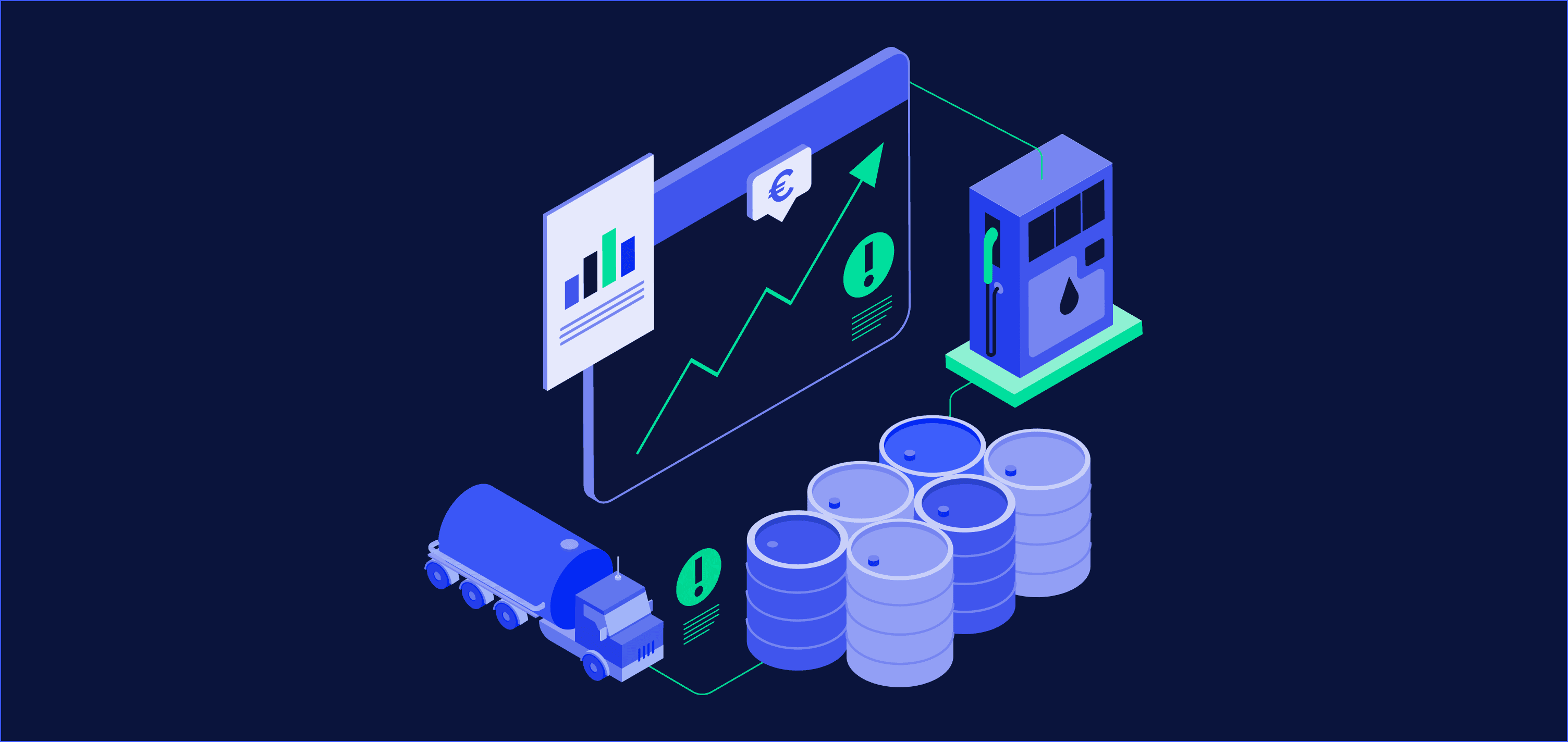
Fuel volatility is the tax every supply chain pays whether it is planned or not. The spread between a budgeted rate and the realized one is where margin disappears — and where hedging discipline earns its keep.
The surcharge is not the hedge
Fuel surcharges recover the cost after it has moved; hedging and procurement discipline recover it before. The fleet that treats fuel as a managed commodity, not a line item, plans with a range instead of a hope.
- Three fuel controls that hold the line
- Contract terms that index to the market
- Procurement windows instead of daily spot buying
- Route and load planning that trims consumption
Fuel is a cost when unmanaged and a margin when planned.
The supply chains that absorb the volatility are the ones that price it in advance — and that starts with knowing the number on every lane.
Key takeaways
- The surcharge is not the hedge: The supply chains that absorb the volatility are the ones that price it in advance \u2014 and that starts with knowing the number on every lane.
- Fuel volatility is the tax every supply chain pays whether it is planned or not.
- The surcharge is not the hedge: Fuel surcharges recover the cost after it has moved; hedging and procurement discipline recover it before.
- Fuel is a cost when unmanaged and a margin when planned.
Related reading

Logistics
Trade rules change. The ledger that settles the trip doesn't.
When tariffs shift, the system re-prices the next trip instead of re-papering the last one.
Logistics
Borders are procedural, not physical
When volume jumps, identity, clearing and settlement decide who takes the surplus.
Logistics
The warehouse is a data model before it is concrete
A rack you can't automate is a liability with a valid lease. Warehouses and trucks must read the same truth.