Logistics
Middle East logistics: how reroutes become the new normal
A lane disruption settles into a new baseline. The winners had alternatives ready before the peak.
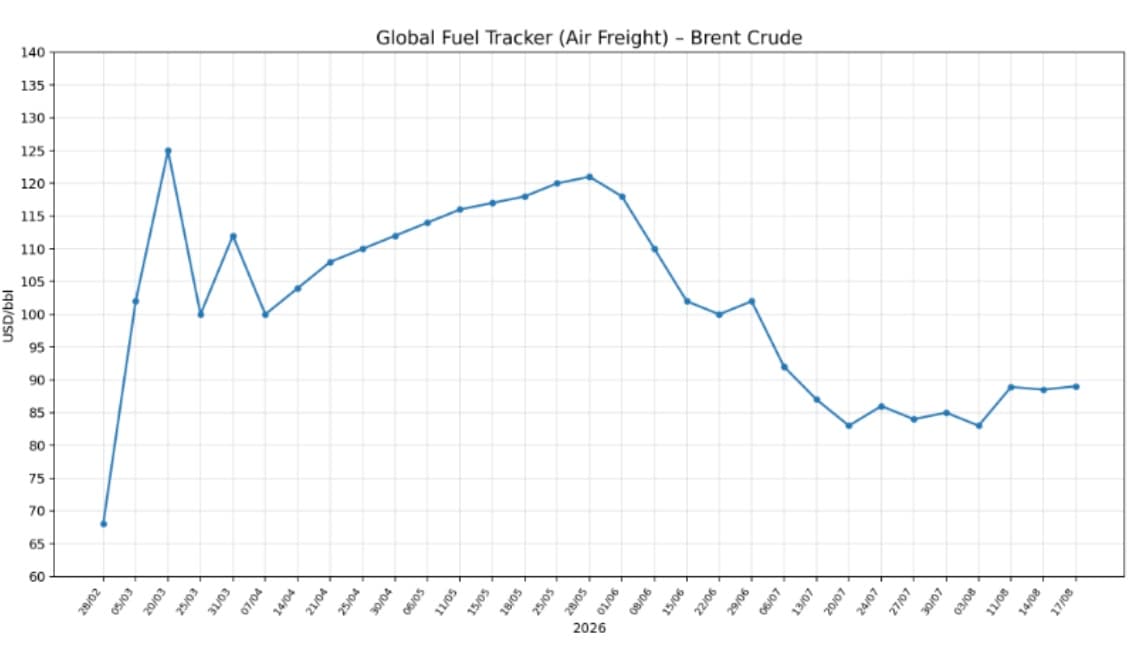
When a conflict sits on the world's busiest sea lanes, the logistics response is a study in substitution — which ports absorb the volume, which corridors open, and how long the reroute takes to become routine.
Every disruption creates a new normal
The first weeks are chaos; the following months are a re-baseline. Carriers firm new schedules, shippers rebuild inventories, and the extra days simply become the new lead time.
- How a lane crisis normalizes
- Alternate ports absorb volume
- Transit times reset higher
- Contracts rewrite around the new reality
After the shock comes the new normal — and the fleet that plans for it wins the next quarter.
The companies that suffer least are those that started the substitution before the disruption peaked. Flexibility is a schedule you build in calm waters.
Key takeaways
- When a conflict sits on the world's busiest sea lanes, the logistics response is a study in substitution \u2014 which ports absorb the volume, which corridors open, and how long the reroute takes to become routine.
Sources
Related reading
Logistics
Trade rules change. The ledger that settles the trip doesn't.
When tariffs shift, the system re-prices the next trip instead of re-papering the last one.
Logistics
Borders are procedural, not physical
When volume jumps, identity, clearing and settlement decide who takes the surplus.
Logistics
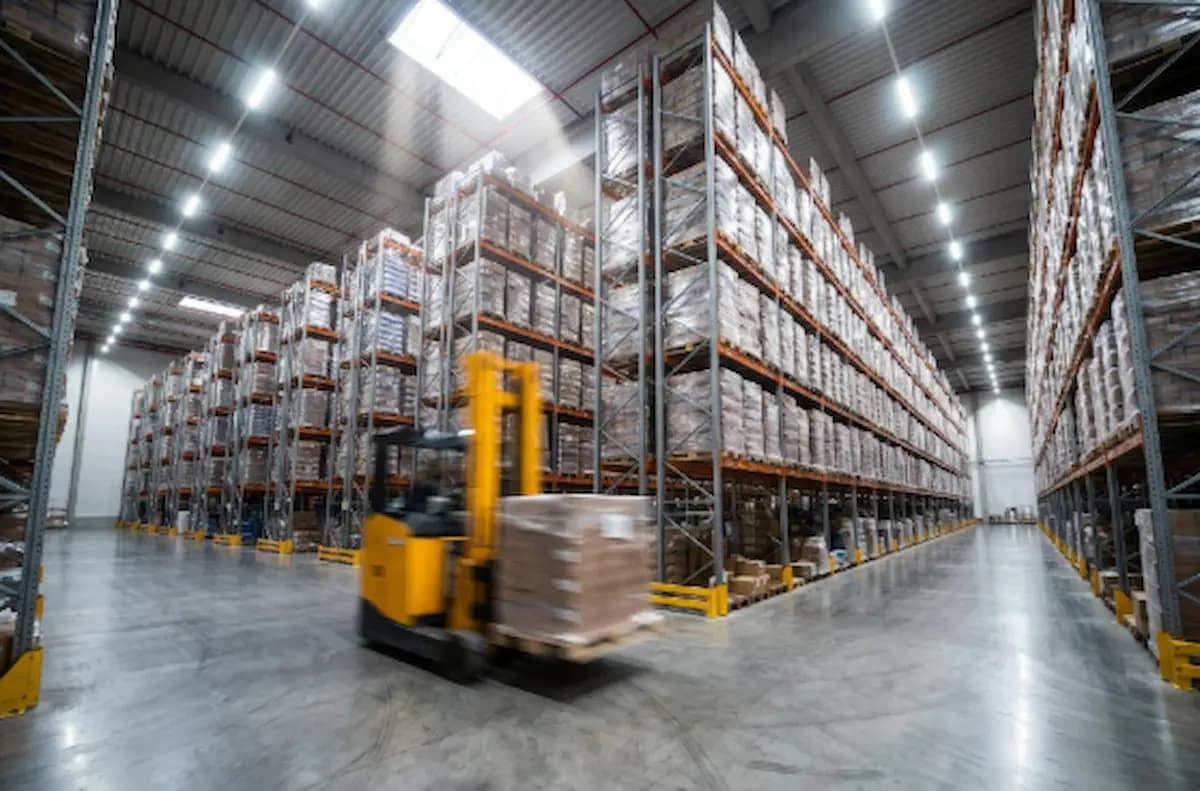
The warehouse is a data model before it is concrete
A rack you can't automate is a liability with a valid lease. Warehouses and trucks must read the same truth.