Logistics
China to Europe: choosing the lane, not the carrier
Sea, rail and air each price a different trade-off. The fit to your cargo's time value decides the cheap one.
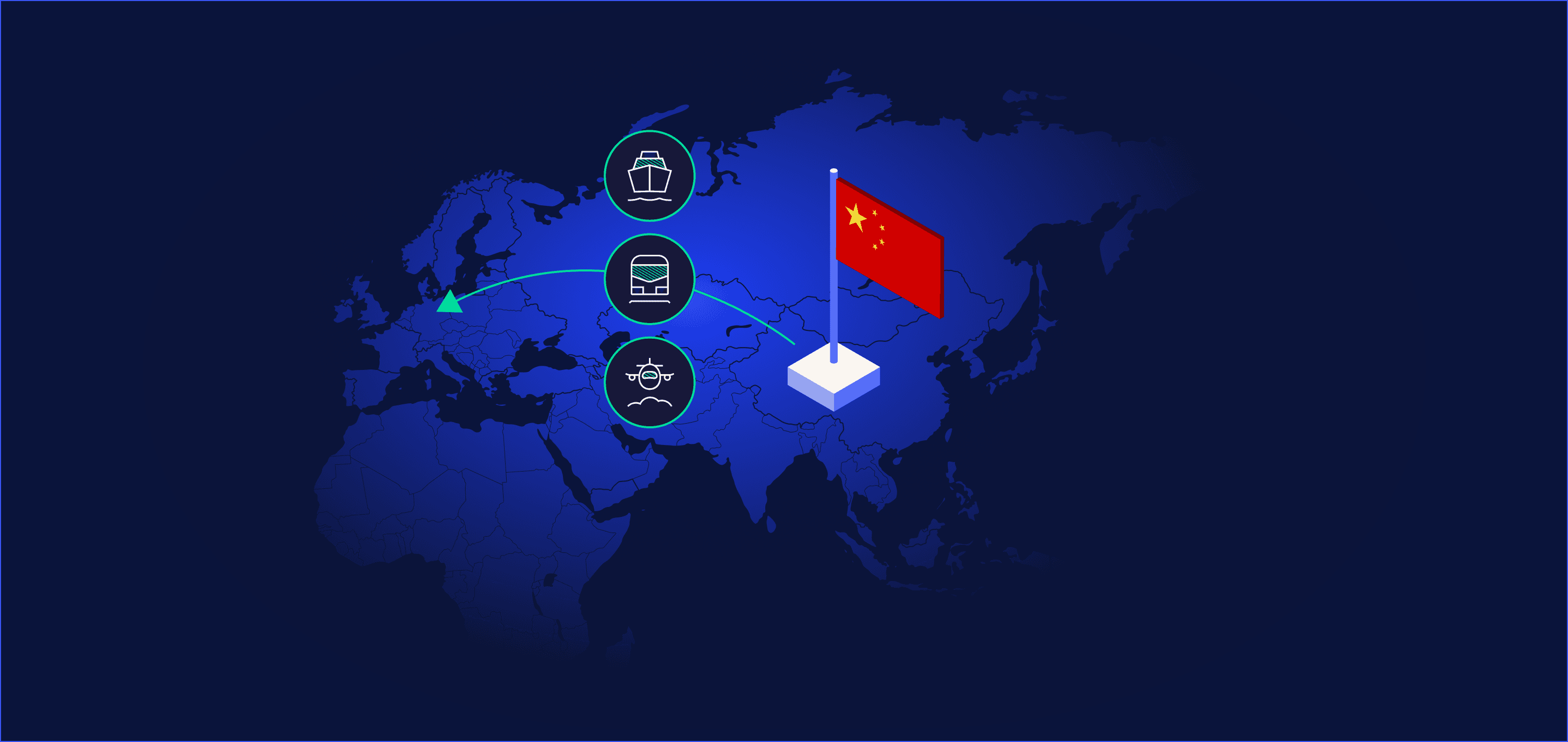
Choosing between sea, rail and air from China is not picking a carrier — it is pricing a trade-off between speed, cost and carbon. In 2026 the decision is more fluid than ever, because every lane keeps shifting.
The lane is the trade-off
Sea owns the cost, air owns the time, and rail sits between them with a predictability that is getting more valuable. The fleet that maps its cargo to the lane that fits the inventory policy wins twice — once on the rate, once on the shelf.
The cheapest lane is the one that matches the cargo's time value.
No single mode wins. The discipline is matching the load to the lane that prices the whole cost, including the delay.
Key takeaways
- Choosing between sea, rail and air from China is not picking a carrier \u2014 it is pricing a trade-off between speed, cost and carbon.
- The lane is the trade-off: For the market, expansion signals conviction \u2014 the fleet is not waiting for the freight; it is investing in the network that earns it.
- The lane is the trade-off: Sea owns the cost, air owns the time, and rail sits between them with a predictability that is getting more valuable.
- The cheapest lane is the one that matches the cargo's time value.
- The lane is the trade-off: A service center changes the economics of a region: drivers have a base, loads have a hub, and the customers have a promise that local capacity can keep.
Related reading
Logistics
Trade rules change. The ledger that settles the trip doesn't.
When tariffs shift, the system re-prices the next trip instead of re-papering the last one.
Logistics
Borders are procedural, not physical
When volume jumps, identity, clearing and settlement decide who takes the surplus.
Logistics
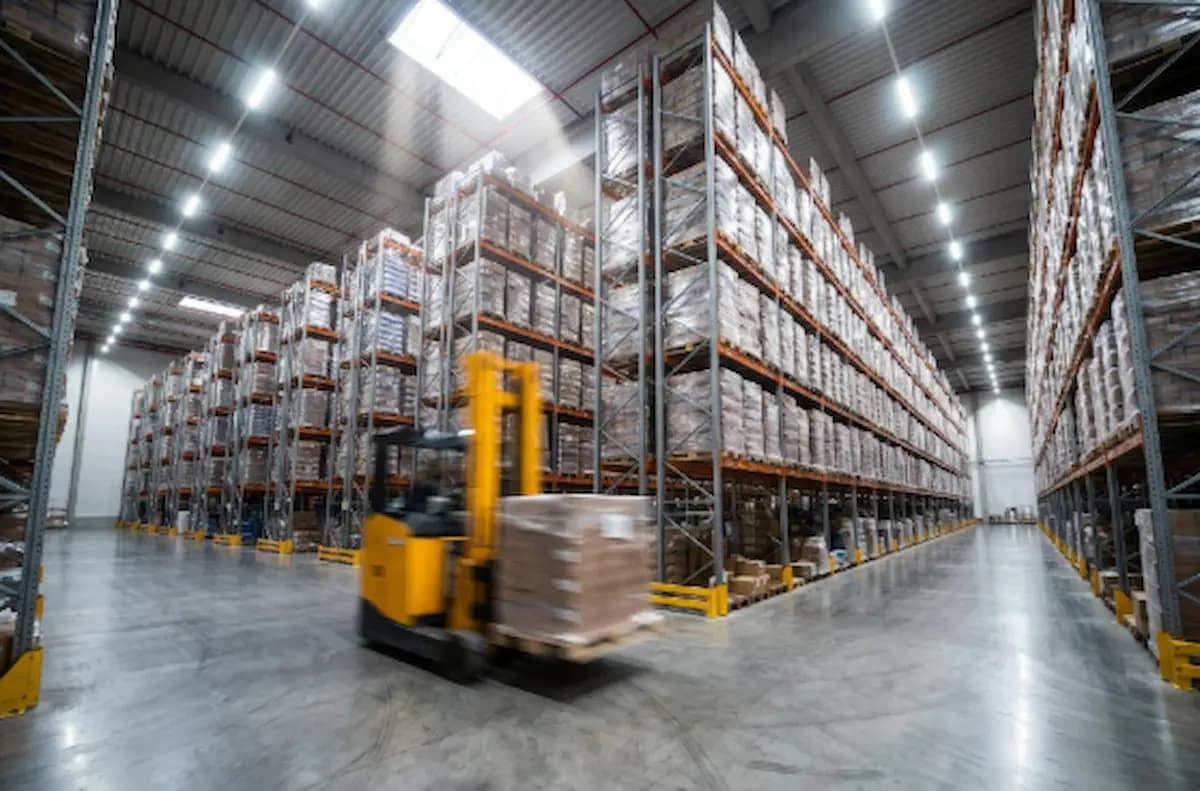
The warehouse is a data model before it is concrete
A rack you can't automate is a liability with a valid lease. Warehouses and trucks must read the same truth.