Logistics
Suez disruptions and what they mean for shippers
A longer voyage around the Cape adds cost and capacity pressure. The durable answer is routing that adapts fast.
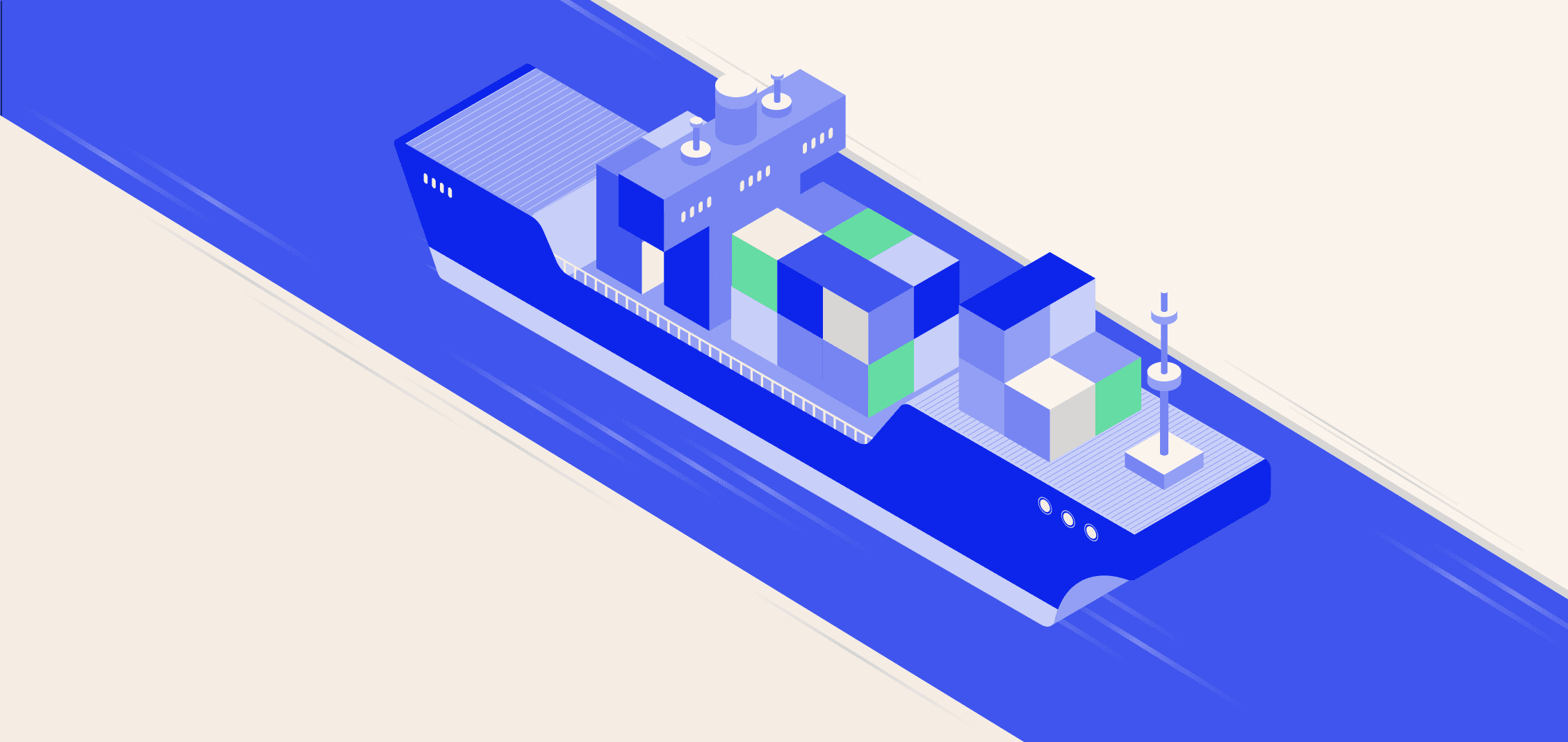
The Suez Canal concentrates an outsized share of world trade into one corridor. When it slows, freight rates and transit times move in the same direction everywhere — and logistics teams feel it on the first shipment, not the last.
One corridor, global consequences
Disruptions in the Red Sea force carriers to reroute around the Cape of Good Hope, adding days to every voyage. The extra capacity disappears from the market and the cost lands on shippers weeks later.
- What a rerouted market means
- Longer transit times on the Asia-Europe lane
- Tighter capacity and volatile spot rates
- A shift from just-in-time to just-in-case inventories
The remedy is not to predict the canal. It is to make the supply chain reactive: visibility into each leg and the ability to switch mode or route the moment conditions change.
Resilience is not predicting the disruption — it is shortening the time between signal and action.
Geography does not change, but response time can. That is the lever a modern logistics platform gives a team.
Key takeaways
- Resilience is not predicting the disruption \u2014 it is shortening the time between signal and action.
- The Suez Canal concentrates an outsized share of world trade into one corridor.
- One corridor, global consequences: Disruptions in the Red Sea force carriers to reroute around the Cape of Good Hope, adding days to every voyage.
- One corridor, global consequences: The remedy is not to predict the canal.
- One corridor, global consequences: Geography does not change, but response time can.
Related reading
Logistics
Trade rules change. The ledger that settles the trip doesn't.
When tariffs shift, the system re-prices the next trip instead of re-papering the last one.
Logistics
Borders are procedural, not physical
When volume jumps, identity, clearing and settlement decide who takes the surplus.
Logistics
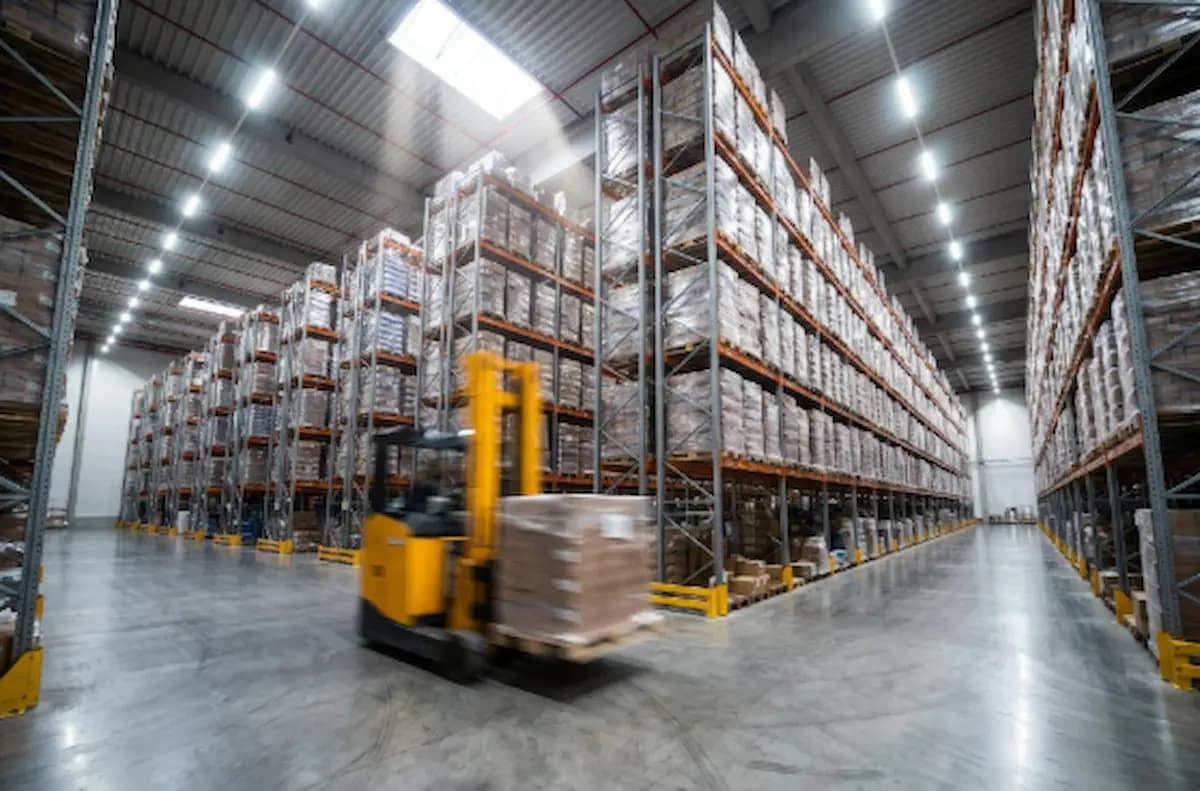
The warehouse is a data model before it is concrete
A rack you can't automate is a liability with a valid lease. Warehouses and trucks must read the same truth.