Logistics
How the Gulf conflict changes the shelf price
Transit times, insurance, and rerouted lanes move consumer prices before any announcement does.
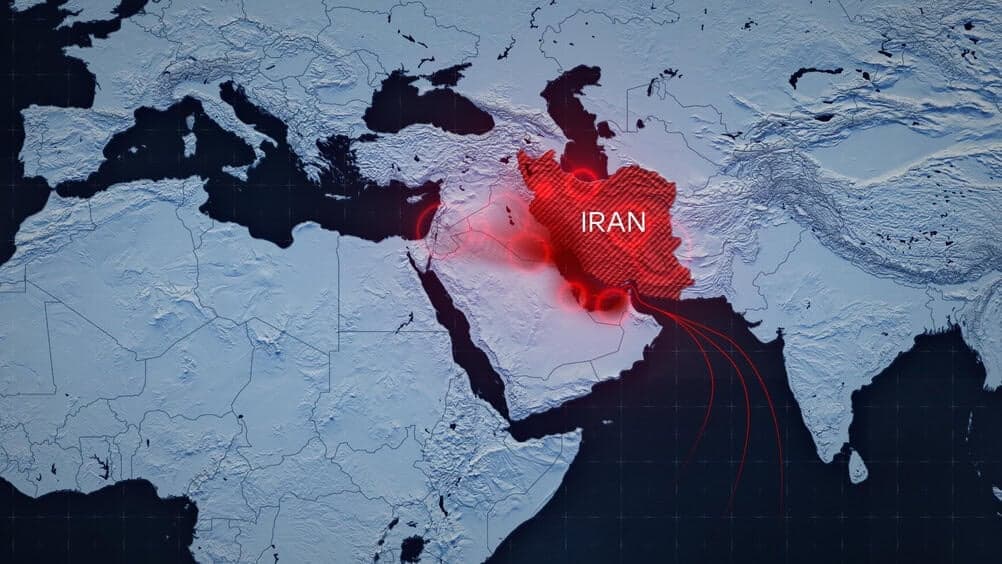
Conflict in the Strait of Hormuz does not wait for the headlines to reach the shelf. Three effects travel fast: longer transit times, higher insurance, and rerouted volumes that reset who carries what where.
Three signals, one rerouting
Transit times stretch as ships avoid the strait. Insurance premiums follow the risk map. And the rerouted lanes change which ports and carriers see demand — none of it announced in advance.
For shippers, the cheap move is the same as always: know your alternative lanes before the disruption tells you to find them.
The rerouting begins the day the risk does.
Plans built on lane alternatives absorb shocks; plans built on hope do not.
Key takeaways
- Conflict in the Strait of Hormuz does not wait for the headlines to reach the shelf.
- Three signals, one rerouting: Transit times stretch as ships avoid the strait.
- Three signals, one rerouting: For shippers, the cheap move is the same as always: know your alternative lanes before the disruption tells you to find them.
- The rerouting begins the day the risk does.
- Three signals, one rerouting: Plans built on lane alternatives absorb shocks; plans built on hope do not.
Related reading
Logistics
Trade rules change. The ledger that settles the trip doesn't.
When tariffs shift, the system re-prices the next trip instead of re-papering the last one.
Logistics
Borders are procedural, not physical
When volume jumps, identity, clearing and settlement decide who takes the surplus.
Logistics
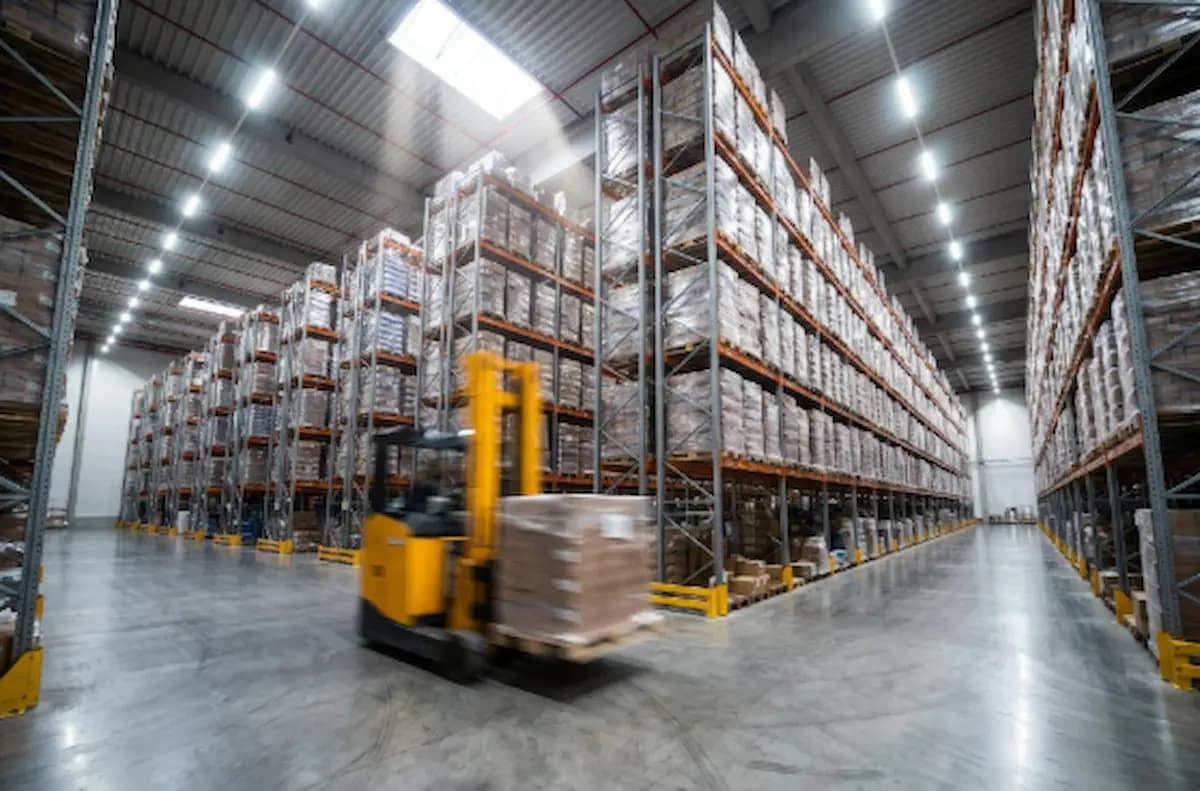
The warehouse is a data model before it is concrete
A rack you can't automate is a liability with a valid lease. Warehouses and trucks must read the same truth.