Logistics
Stable ports in a costly market are the ones to use
Reliability compounds when costs rise. The stable port becomes the cheaper port to run through.
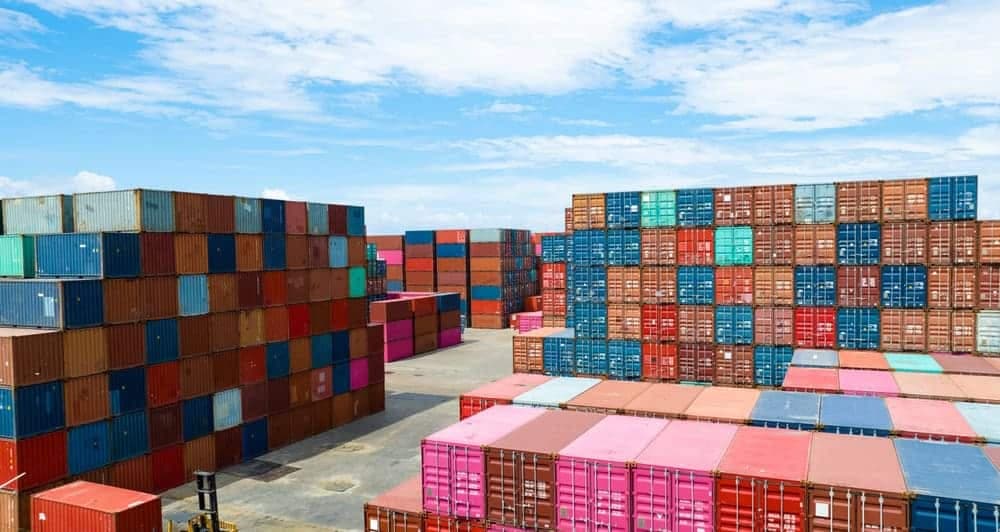
Ports that stay stable while costs rise are the exception worth studying. Capacity that holds, schedules that stick, and volumes that keep moving make a port a competitive asset for the region it serves.
Stability is a compounding advantage
For the fleets serving a stable port, predictability is money: appointments hold, dwell is low, and the drayage window is real. Rising costs are absorbed because the turnaround is not also getting worse.
The same math applies inland. A hub that keeps its reliability while the market tightens becomes the one to route through.
The port that keeps its promise beats the port that lowers its price.
Watch the ports and yards that hold their reliability in a costlier market — they are the ones to anchor a network to.
Key takeaways
- Stability is a compounding advantage: Watch the ports and yards that hold their reliability in a costlier market \u2014 they are the ones to anchor a network to.
- Ports that stay stable while costs rise are the exception worth studying.
- Stability is a compounding advantage: For the fleets serving a stable port, predictability is money: appointments hold, dwell is low, and the drayage window is real.
- The port that keeps its promise beats the port that lowers its price.
Related reading

Logistics
Trade rules change. The ledger that settles the trip doesn't.
When tariffs shift, the system re-prices the next trip instead of re-papering the last one.
Logistics
Borders are procedural, not physical
When volume jumps, identity, clearing and settlement decide who takes the surplus.
Logistics
The warehouse is a data model before it is concrete
A rack you can't automate is a liability with a valid lease. Warehouses and trucks must read the same truth.