Logistics
The Lunar New Year surge that never came
A flat pre-holiday peak is a market signal. Teams that see it early can reallocate trucking capacity.

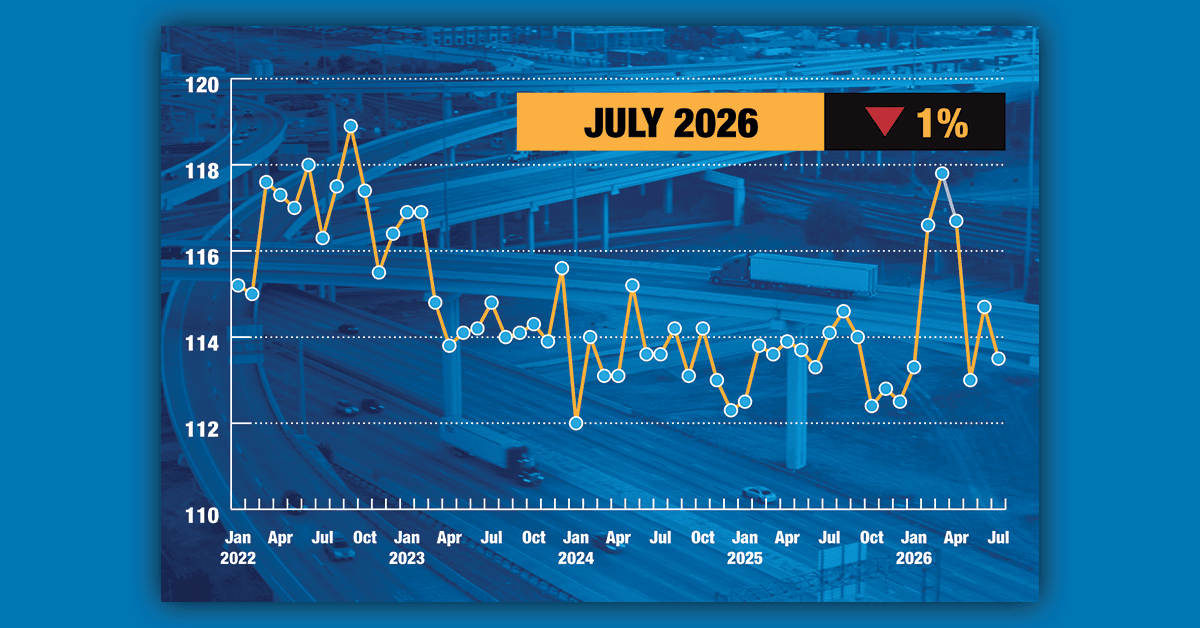
Every January, the container market expects a pre-Lunar New Year rush — factories shipping early before Asia shuts for the holiday. In 2026, the rush never arrived, and that says as much about demand as about calendars.
A quiet surge is still a signal
When the usual spike stays flat, it usually means one of two things: inventory already sits in destination markets, or buyers are waiting for cheaper rates. Either way, ocean capacity that would have been claimed stays loose.
- What a missing surge implies
- Softer spot rates through the season
- Shorter lead times available to shippers
- A reason to renegotiate contracts earlier
For teams that plan trucking on top of ocean freight, a flat surge is a planning gift — if the visibility is there to see it. Knowing container flow weeks in advance lets a dispatcher line up drayage and trailer pools ahead of the actual arrival.
The news is not that the surge failed — it is that someone without data reads it late.
Seasonality still moves freight. The companies that win read the current season, not last year's pattern.
Key takeaways
- Every January, the container market expects a pre-Lunar New Year rush \u2014 factories shipping early before Asia shuts for the holiday.
- A quiet surge is still a signal: For teams that plan trucking on top of ocean freight, a flat surge is a planning gift \u2014 if the visibility is there to see it.
- The news is not that the surge failed \u2014 it is that someone without data reads it late.
- A fleet does not buy batteries \u2014 it buys a plan for what the battery will do at year three.
- A quiet surge is still a signal: When the usual spike stays flat, it usually means one of two things: inventory already sits in destination markets, or buyers are waiting for cheaper rates.
- The battery is the new maintenance clock: Unlike a diesel engine, a battery does not fail suddenly.
- The battery is the new maintenance clock: Teams that keep battery telematics along with odometers can plan replacement instead of discovering it on a cold morning when a truck will not hold a charge.
Related reading

Logistics
Trade rules change. The ledger that settles the trip doesn't.
When tariffs shift, the system re-prices the next trip instead of re-papering the last one.
Logistics
Borders are procedural, not physical
When volume jumps, identity, clearing and settlement decide who takes the surplus.
Logistics
The warehouse is a data model before it is concrete
A rack you can't automate is a liability with a valid lease. Warehouses and trucks must read the same truth.