
Compliance
The HNS treaty prices the risk that hides
The hazardous cargo treaty names the liability of the dangerous load and naming it makes it manageable.
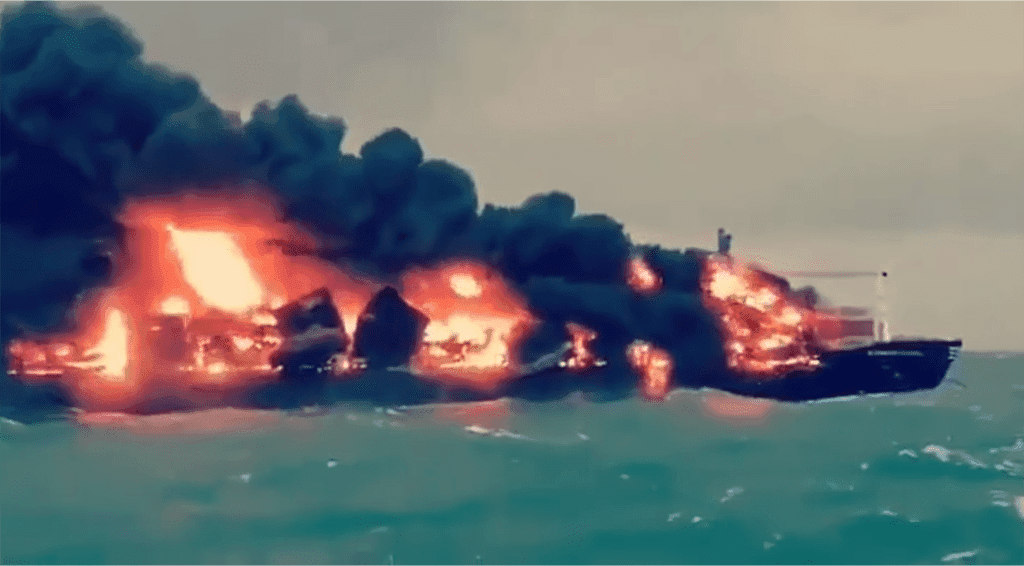
The IMO treaty on hazardous and noxious cargo is the legal skeleton of a risk that shipping carried informally: who pays when the dangerous cargo damages. The treaty names the liability, and naming the liability is the beginning of managing it.
The treaty is the risk ledger
For the shipper and carrier, the convention is the memory of the worst accident priced into the system: the fund, the compensation, the cleanup — each clause is the cost of the risk made visible.
The treaty that prices the risk is the one that disciplines the haul.
The operators that read the liability before the haul — not after the incident — are the ones the treaty never touches.
Key takeaways
- The treaty is the risk ledger: For the shipper and carrier, the convention is the memory of the worst accident priced into the system: the fund, the compensation, the cleanup \u2014 each clause is the cost of the risk made visible.
- The treaty is the risk ledger: The operators that read the liability before the haul \u2014 not after the incident \u2014 are the ones the treaty never touches.
- The IMO treaty on hazardous and noxious cargo is the legal skeleton of a risk that shipping carried informally: who pays when the dangerous cargo damages.
- The treaty that prices the risk is the one that disciplines the haul.
Related reading
Compliance
28,000 revoked CDLs and the case for a registry of record
Licenses, certs and records sit in different drawers. One verifiable registry fixes the gaps where revocation and fraud hide.
Compliance
The court said no to a data grab. The industry needs proofs, not copies.
You don't need all the records to check a license. Issuer-controlled data plus verifiable proofs is the sustainable model.
Compliance
When a state digitizes the permit, the lane gains data
A paper office that becomes a data service is the direction of the whole industry.
Compliance
The records are the infrastructure
Don't ask the driver to be honest; make the infrastructure honest.