
Autonomy
The workforce behind autonomous trucks
Virginia's training effort shows autonomy creates a new skillset, the jobs change more than they disappear.
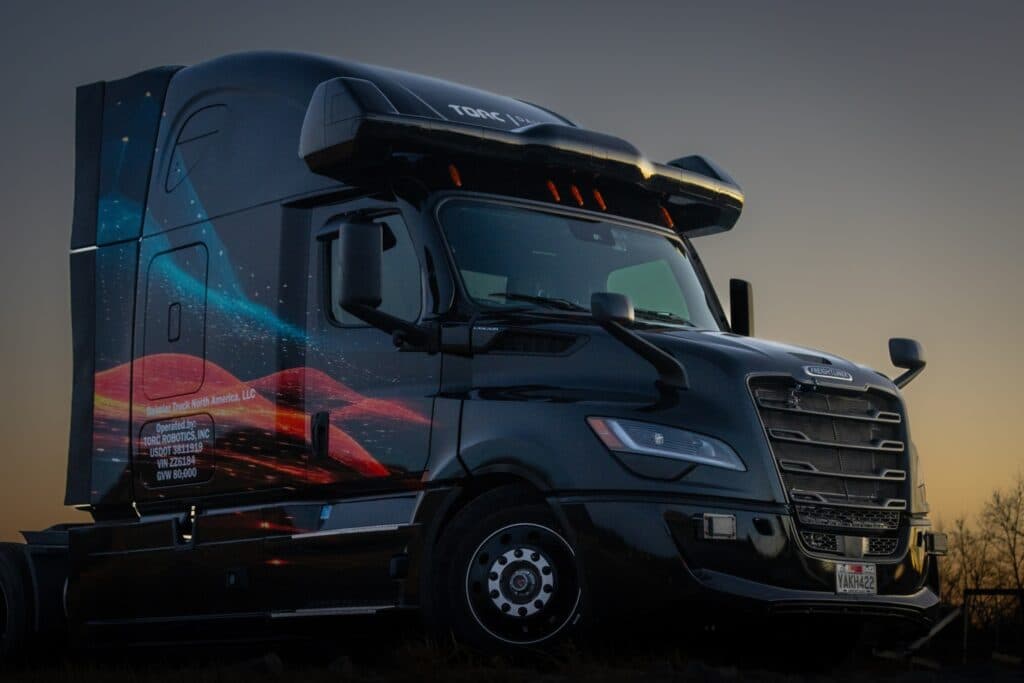
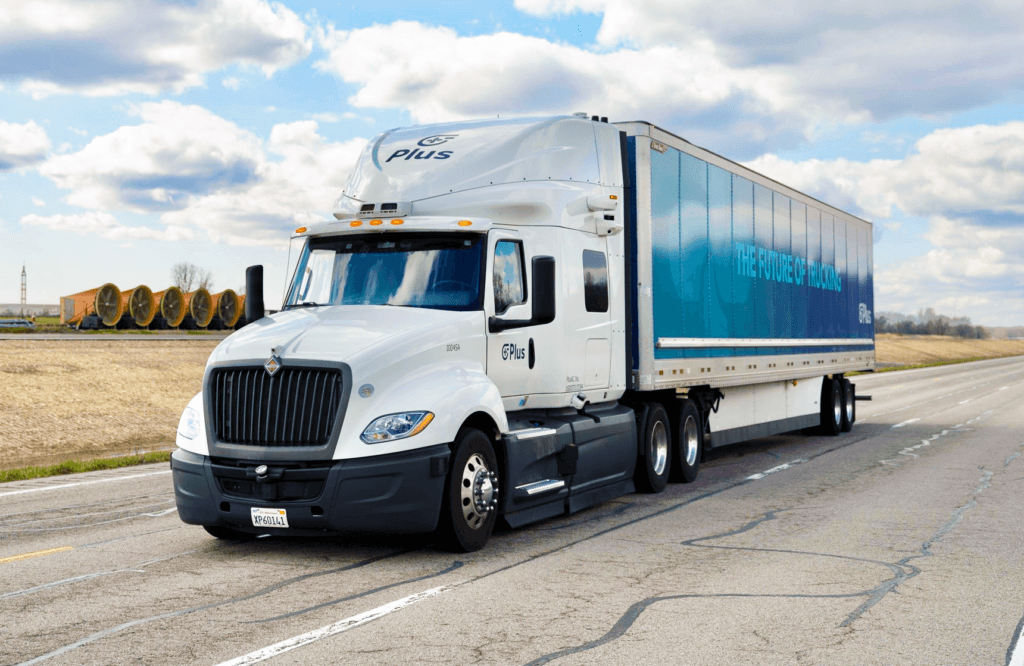
The autonomous-truck conversation usually centers on the vehicle. The quieter story is the workforce: a program training Virginia workers to build and maintain autonomous systems is a bet that the jobs change more than they disappear.
Autonomy creates a different skillset
Building the maintenance pipeline for automated vehicles is an infrastructure investment as real as roads. Without technicians who understand sensor arrays and safety systems, the pilot trucks cannot scale.
- What the workforce shift looks like
- Sensor and telematics technicians
- Remote safety monitoring roles
- Data and validation engineering jobs
The future of trucking employment is not truck replacement — it is role transformation.
Regions that train for the transition become the natural homes of the new fleets. The workforce is part of the autonomy roadmap.
Key takeaways
- The future of trucking employment is not truck replacement \u2014 it is role transformation.
- The autonomous-truck conversation usually centers on the vehicle.
- Autonomy creates a different skillset: Building the maintenance pipeline for automated vehicles is an infrastructure investment as real as roads.
- Autonomy creates a different skillset: Regions that train for the transition become the natural homes of the new fleets.
Related reading
Autonomy
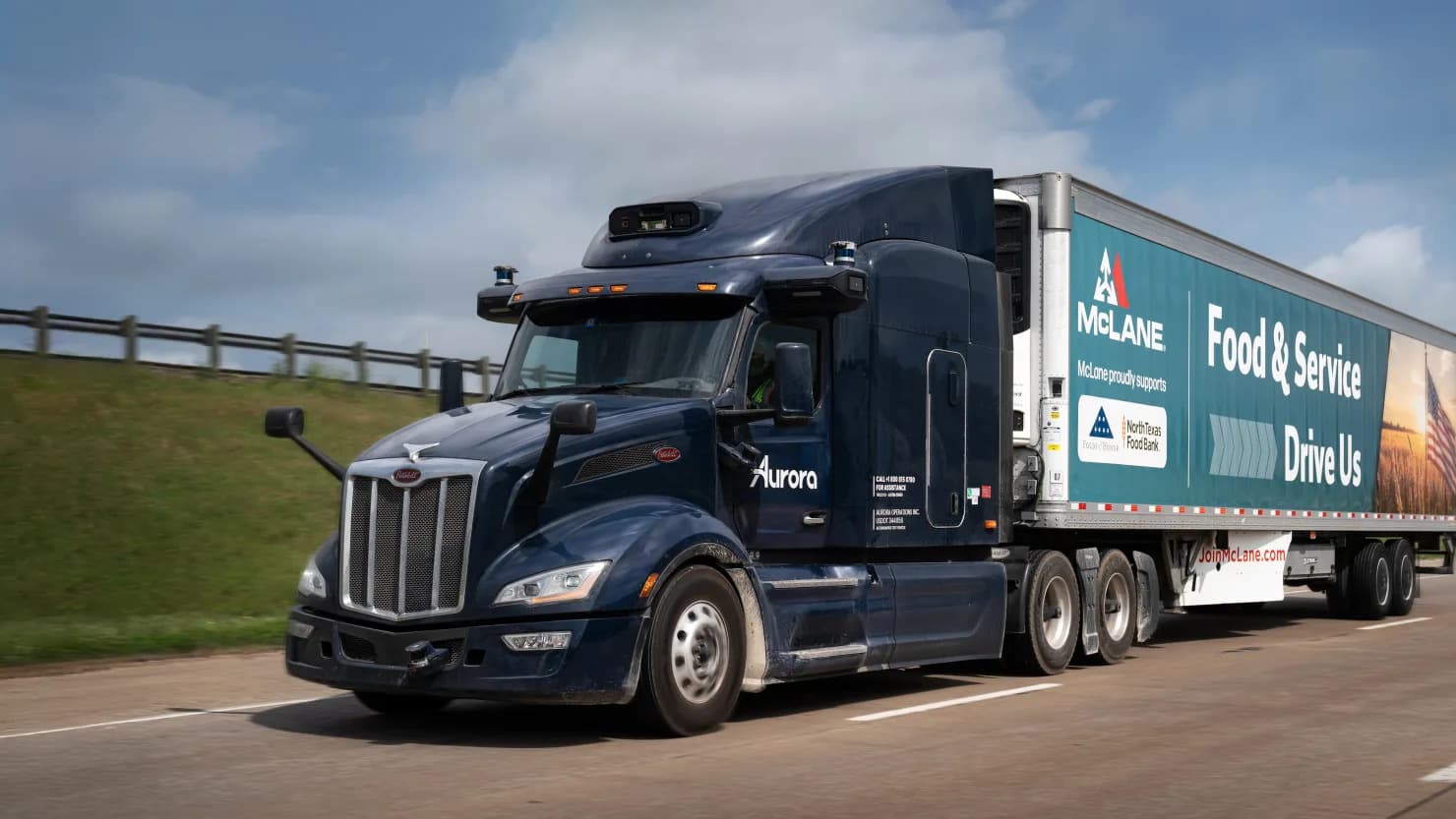
200 autonomous trucks is a dispatch problem in disguise
Autonomy has left the pilot phase. The bottleneck is the operational plane: dispatch, routing, settlement around the driverless truck.
Autonomy
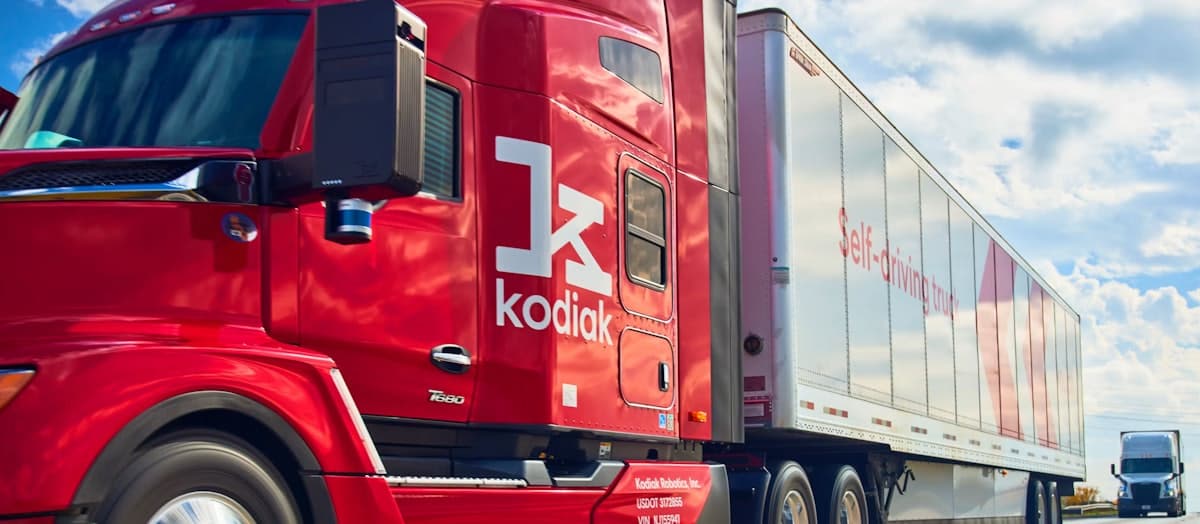
An autonomous-truck permit is an identity problem
Autonomy's real permission slip is the registry that makes permits verifiable, for the truck, the operator, the insurer, the state.
Autonomy
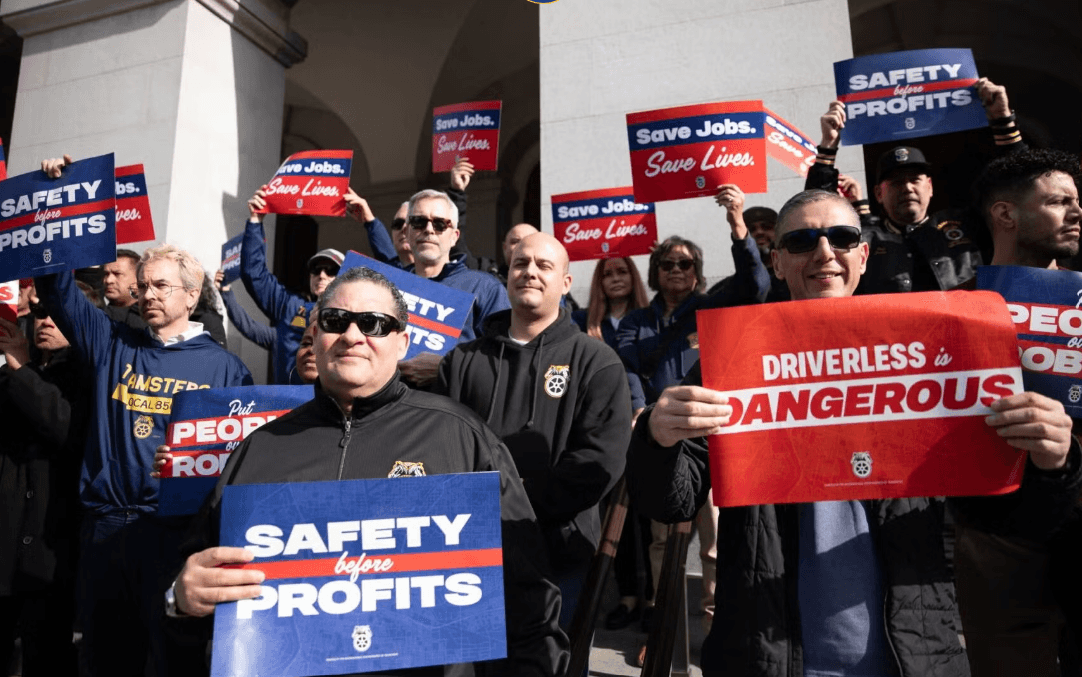
Autonomy's next battleground is the registry
A permit that cannot be verified is a permit that cannot be enforced.
Autonomy
A 2027 autonomy launch is an operations deadline
Autonomy's launch date is an operations deadline: dispatch, insurance, clearing and settlement around the driverless truck.