Logistics
Distribution hubs: where the last mile gets decided
A well-placed hub compresses delivery times, if the routing around it runs on live orders.

A distribution hub is a bet on geography. When a company opens a new facility, it is answering a question every logistics manager asks: where should the inventory sit so the last mile is cheap?
The hub decides the mile
One well-placed hub shortens delivery times across a whole region. But a hub only pays off if the outbound routing is live — trucks planned around real orders, not static schedules.
- What a hub changes
- Delivery times compress regionally
- More drop points within a day
- Inventory positions closer to demand
A warehouse is an asset; the routing around it is the operation.
The opening of any new facility is a signal: the region just got more capacity, and the fleets that connect to it earliest capture the efficiency.
Key takeaways
- A distribution hub is a bet on geography.
- The hub decides the mile: One well-placed hub shortens delivery times across a whole region.
- A warehouse is an asset; the routing around it is the operation.
- The hub decides the mile: The opening of any new facility is a signal: the region just got more capacity, and the fleets that connect to it earliest capture the efficiency.
Related reading

Logistics
Trade rules change. The ledger that settles the trip doesn't.
When tariffs shift, the system re-prices the next trip instead of re-papering the last one.
Logistics
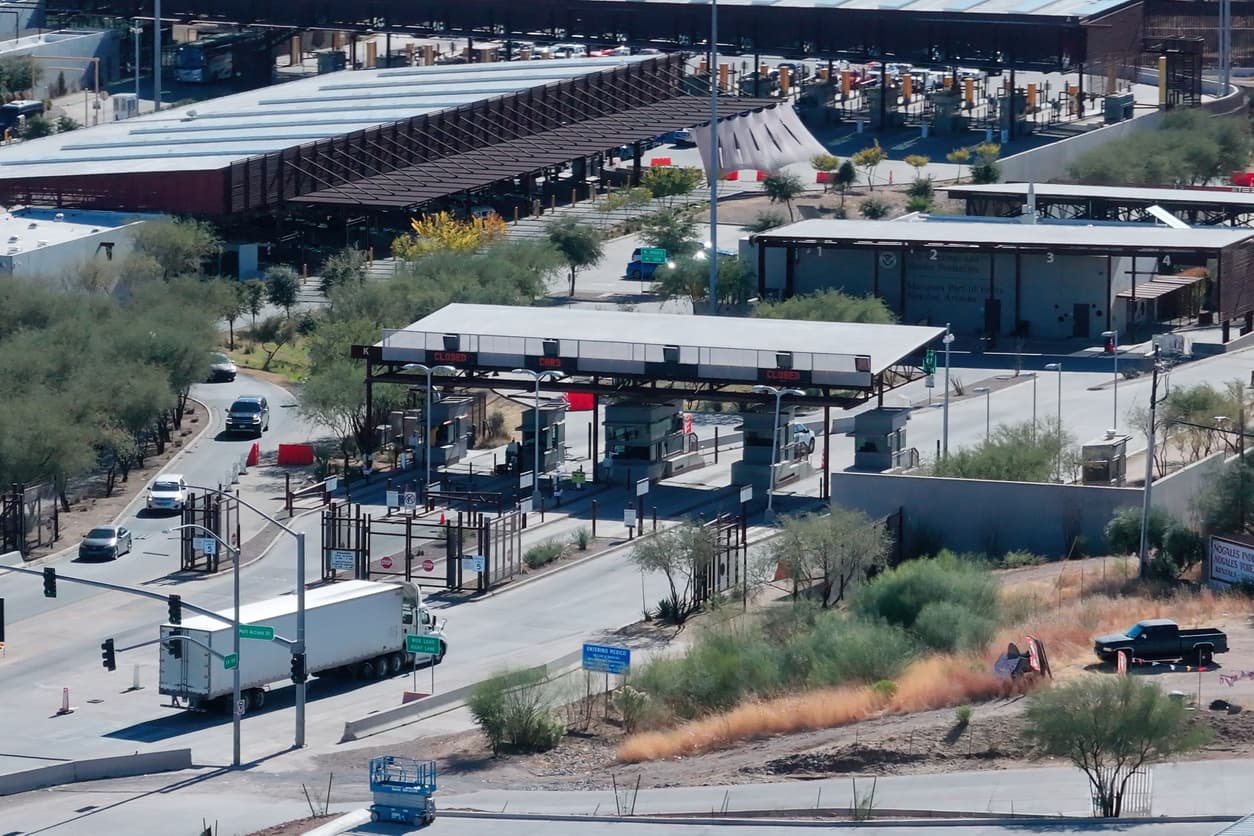
Borders are procedural, not physical
When volume jumps, identity, clearing and settlement decide who takes the surplus.
Logistics
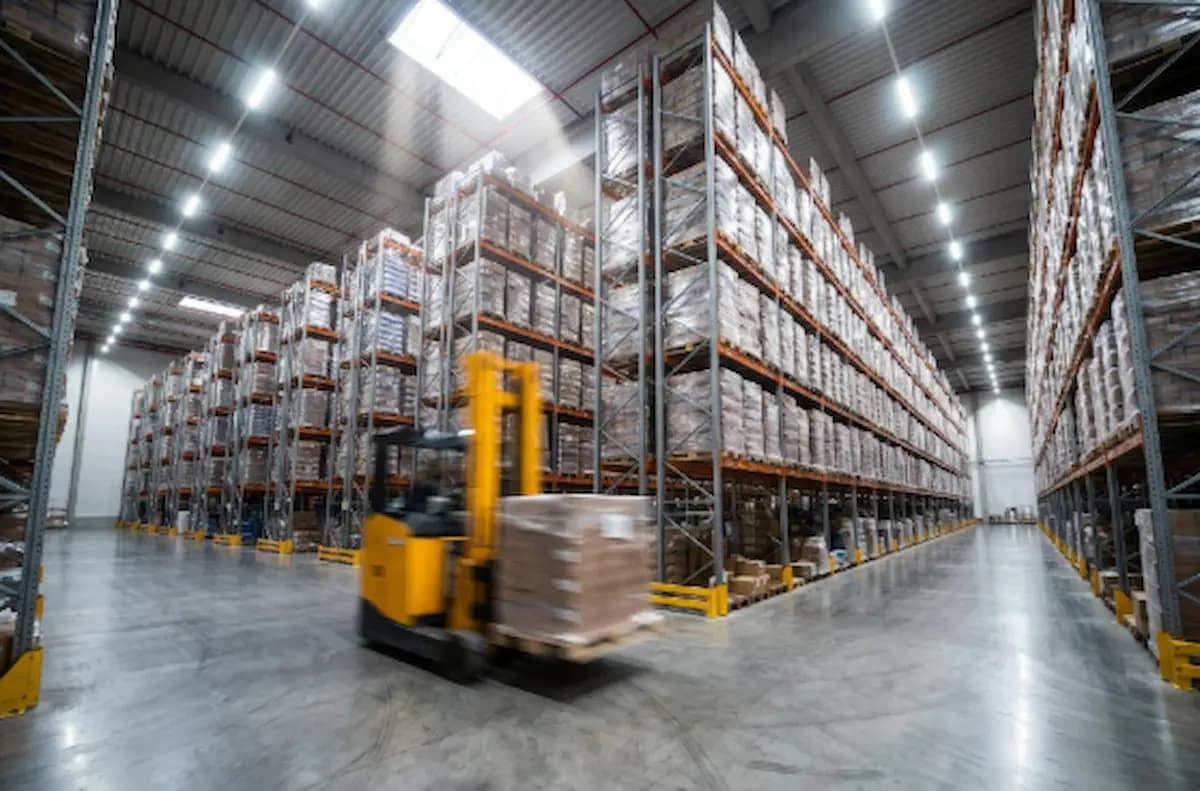
The warehouse is a data model before it is concrete
A rack you can't automate is a liability with a valid lease. Warehouses and trucks must read the same truth.