Logistics
A frozen strait is a slow-moving freight crisis
The longer a lane stays closed, the more it becomes the new baseline. Plan before it does.
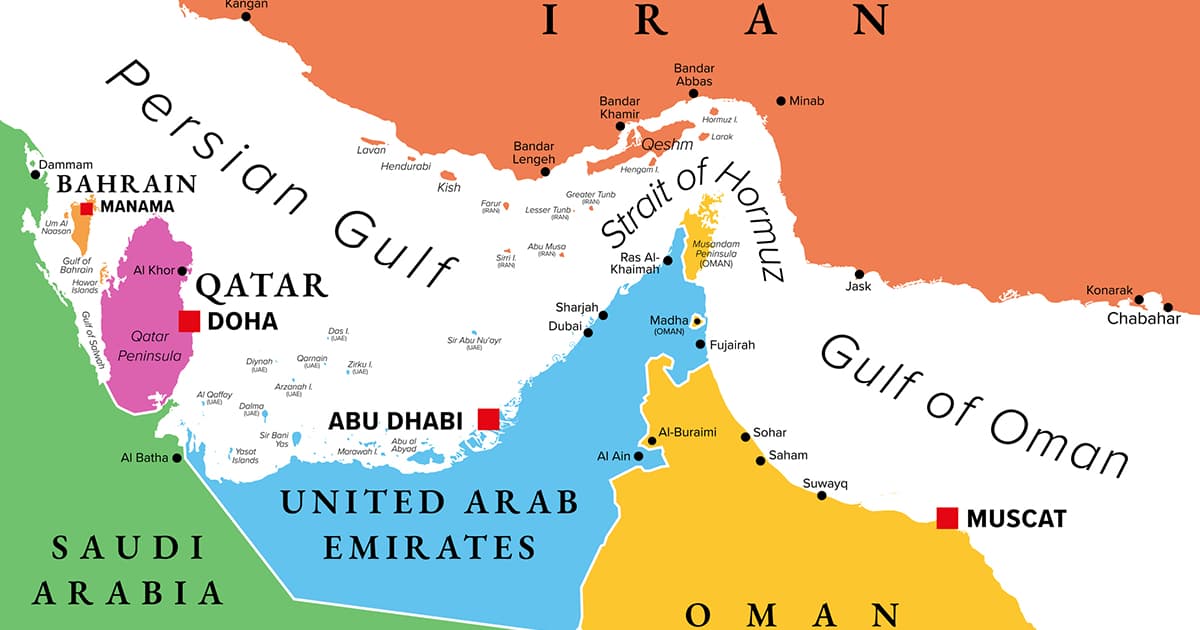
When shipping through a strait stays frozen for weeks, the market stops treating it as an event and starts treating it as a baseline. Rates, inventories and contracts all reset around the new normal.
A frozen lane is a slow-moving crisis
The longer the freeze, the more permanent the adjustments. Shippers switch sourcing, carriers firm new rotations, and the industry quietly bakes the delay into every quote.
- What a frozen lane changes
- Transit times reset for months
- Alternative ports absorb volume
- Contracts renegotiate around the new cost
A frozen lane is only a headline until it becomes a line item.
The teams that adapt early — while the lane is still news — turn the disruption into a planning advantage.
Key takeaways
- A frozen lane is a slow-moving crisis: The teams that adapt early \u2014 while the lane is still news \u2014 turn the disruption into a planning advantage.
- When shipping through a strait stays frozen for weeks, the market stops treating it as an event and starts treating it as a baseline.
- A frozen lane is a slow-moving crisis: The longer the freeze, the more permanent the adjustments.
- A frozen lane is only a headline until it becomes a line item.
Related reading
Logistics
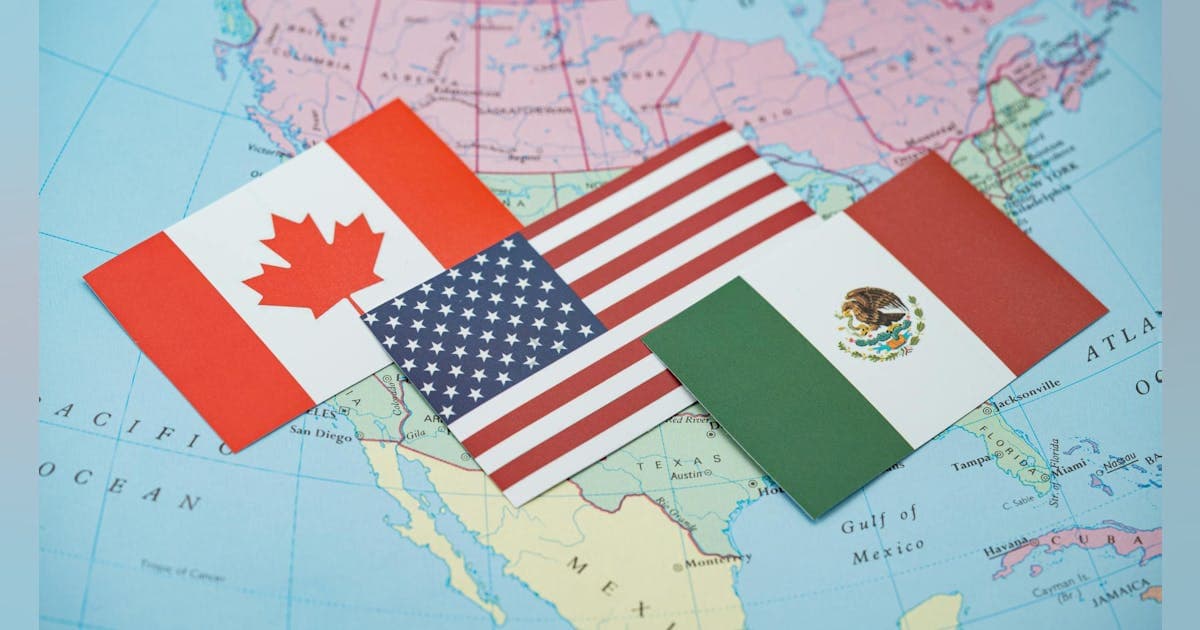
Trade rules change. The ledger that settles the trip doesn't.
When tariffs shift, the system re-prices the next trip instead of re-papering the last one.
Logistics
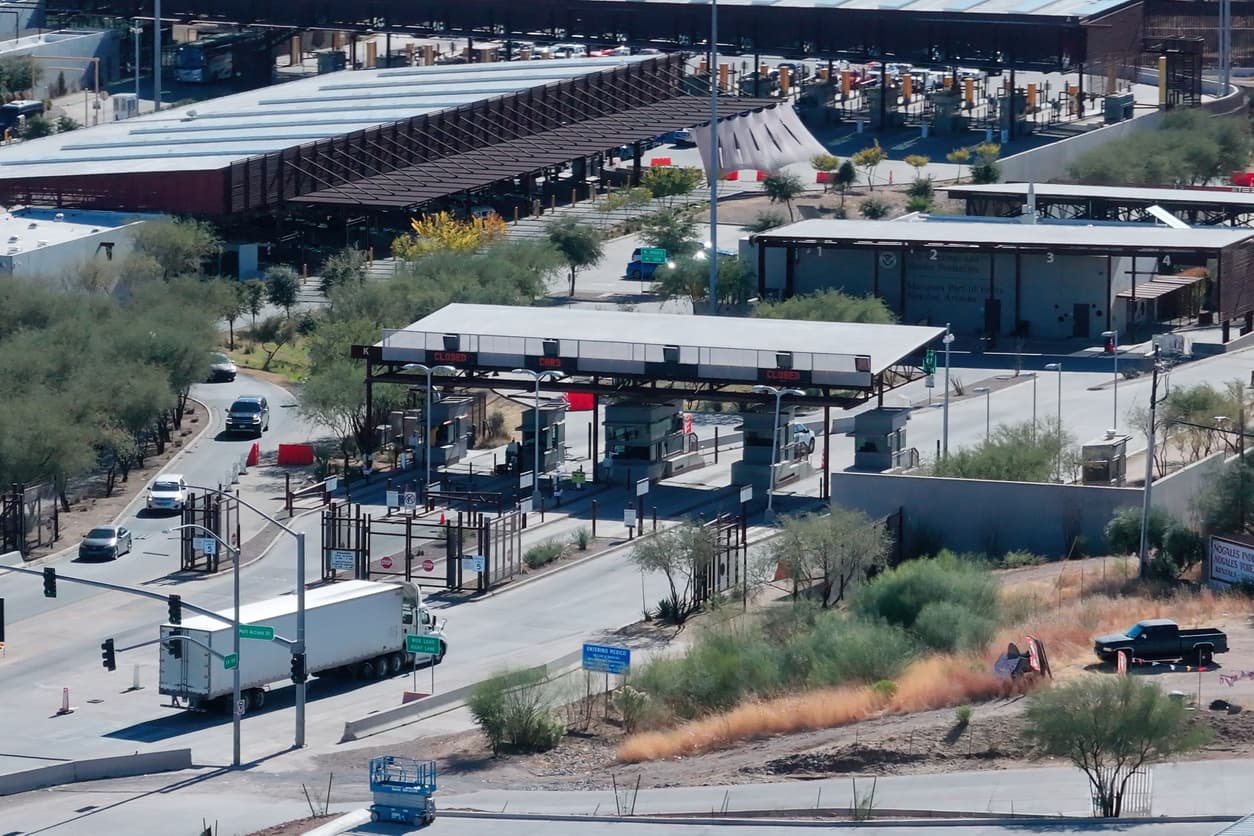
Borders are procedural, not physical
When volume jumps, identity, clearing and settlement decide who takes the surplus.
Logistics
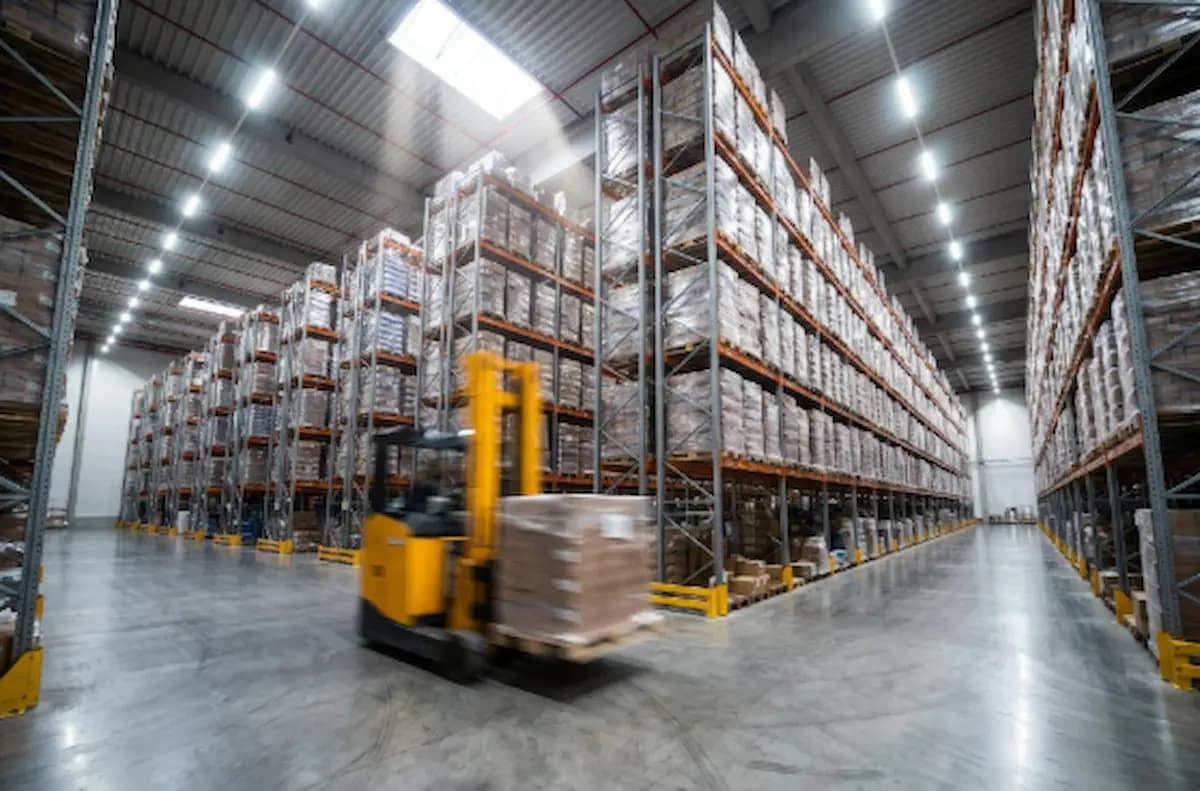
The warehouse is a data model before it is concrete
A rack you can't automate is a liability with a valid lease. Warehouses and trucks must read the same truth.