
Fleet operations
EV battery degradation: the maintenance clock fleets miss
Batteries fade before they fail. Monitor state and cycles to plan replacement instead of discovering it.
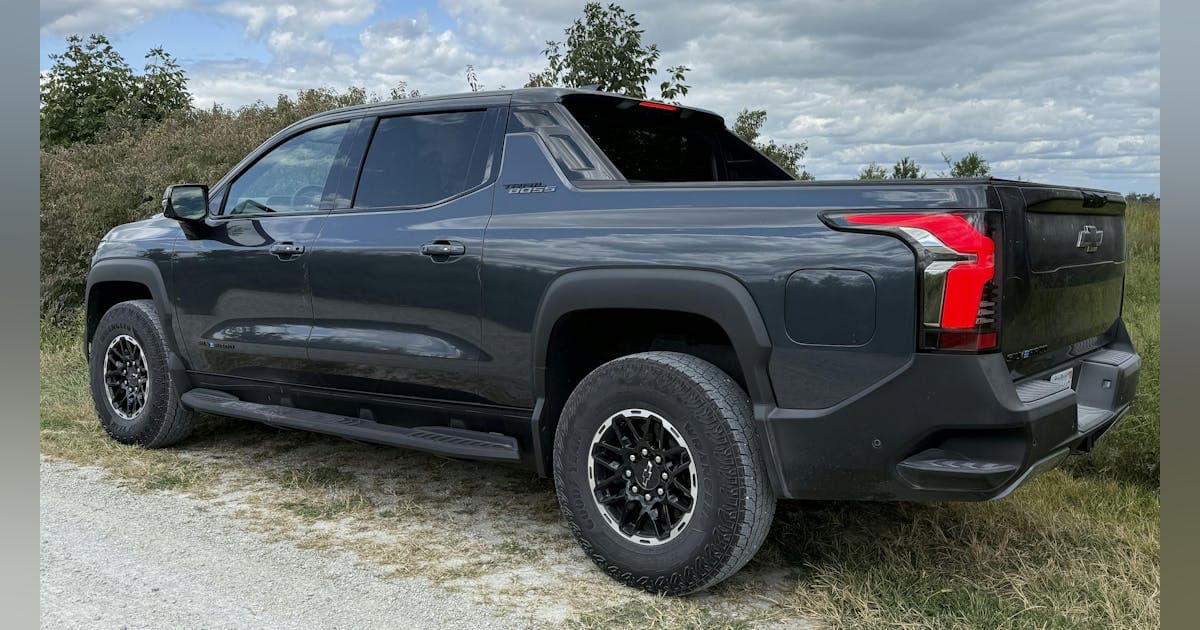
An electric truck's battery decides more than range — it decides the resale value, the daily uptime and the replacement budget. Fleets that skip the physics of degradation pay for it twice.
The battery is the new maintenance clock
Unlike a diesel engine, a battery does not fail suddenly. It fades — in capacity, in charge speed, in winter range. Each fade is measurable if the fleet captures state-of-charge and charge-cycle data on every vehicle.
- Degradation signals worth logging
- State of charge at end of shift
- Charge-cycle count and depth
- Cold-weather range drop on the same route
Teams that keep battery telematics along with odometers can plan replacement instead of discovering it on a cold morning when a truck will not hold a charge.
A fleet does not buy batteries — it buys a plan for what the battery will do at year three.
The same data discipline that tracks fuel now tracks electrons. The fleet that measures degradation schedules it; the fleet that does not, spends.
Key takeaways
- An electric truck's battery decides more than range \u2014 it decides the resale value, the daily uptime and the replacement budget.
Sources
Related reading

Fleet operations
An electric fleet is a scheduling problem
The battery is a fuel tank with a schedule. Plan charging like a dock window.
Fleet operations
Charging hubs need a coordination plane
A charging hub without slot data is a parking lot with a price tag.

Fleet operations
The yard is where electrification pays first
Yards run at full resolution: every move counted, every watt attributed.

Fleet operations
The electric last mile is a routing constraint
Range is a live constraint. Plan for it in real time and settle the trip against real consumption.