
Fleet operations
In-cab cameras: sell the trust, not the device
Adoption is won by policy: what the footage protects, who sees it, when it exonerates the driver.
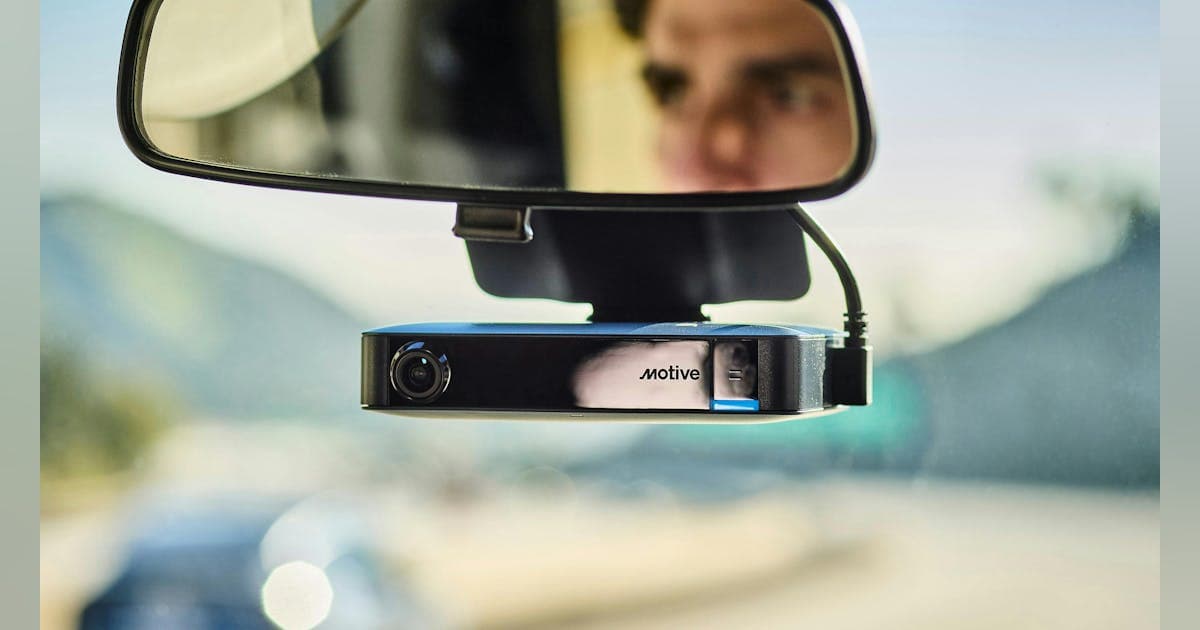
In-cab cameras live or die on buy-in. The fleet that treats the camera as a tool to defend the driver — and can prove it — gets acceptance that the fleet that uses it as a surveillance gets resistance.
The camera is a defense, not a spop
The driver acceptance comes from the policy: what the footage is for, who sees it, when it supports the driver. The technology is the easy part; the trust is the deployment.
- The buy-in playbook
- Name the footage's purpose in policy
- Escalate exonerating footage first
- End a trial with the drivers, not the office
The camera earns trust when it exonerates the driver — first.
The fleet that shows its drivers a better ride — not a watchful eye — gets both the acceptance and the safety record.
Key takeaways
- The polished truck is the standard in the open: The working truck doubles as the champion \u2014 proof that beauty and a duty schedule are not enemies.
- The camera is a defense, not a spop: The driver acceptance comes from the policy: what the footage is for, who sees it, when it supports the driver.
- The polished truck is the standard in the open: When a working truck wins a polish award, the message is not about cosmetics.
- The pride of the polished truck is the pride of the operation.
Related reading
Fleet operations
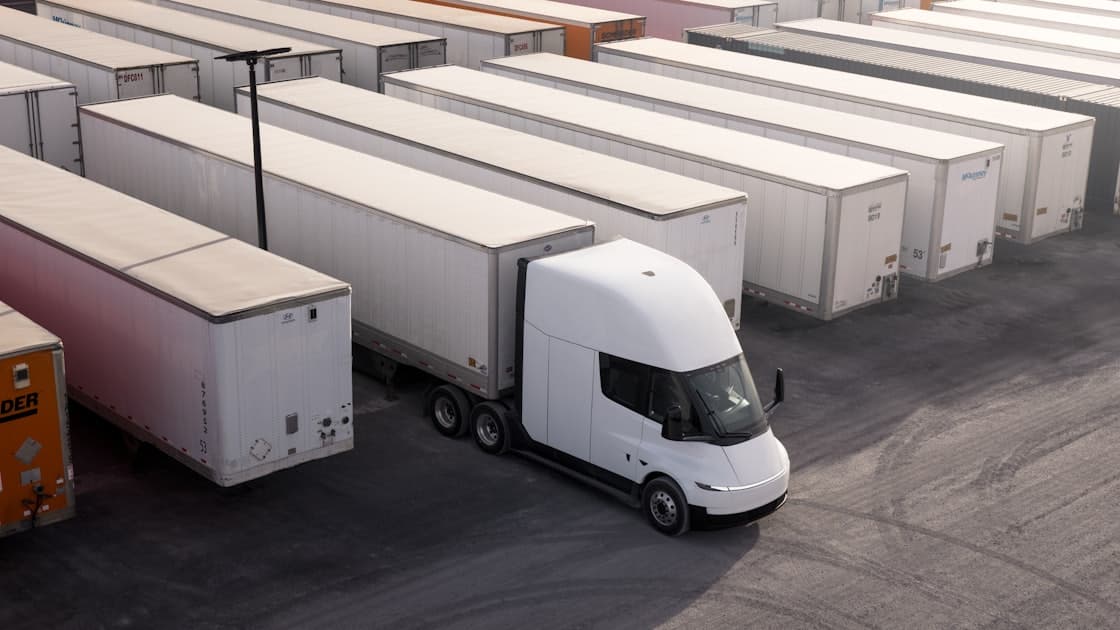
An electric fleet is a scheduling problem
The battery is a fuel tank with a schedule. Plan charging like a dock window.
Fleet operations
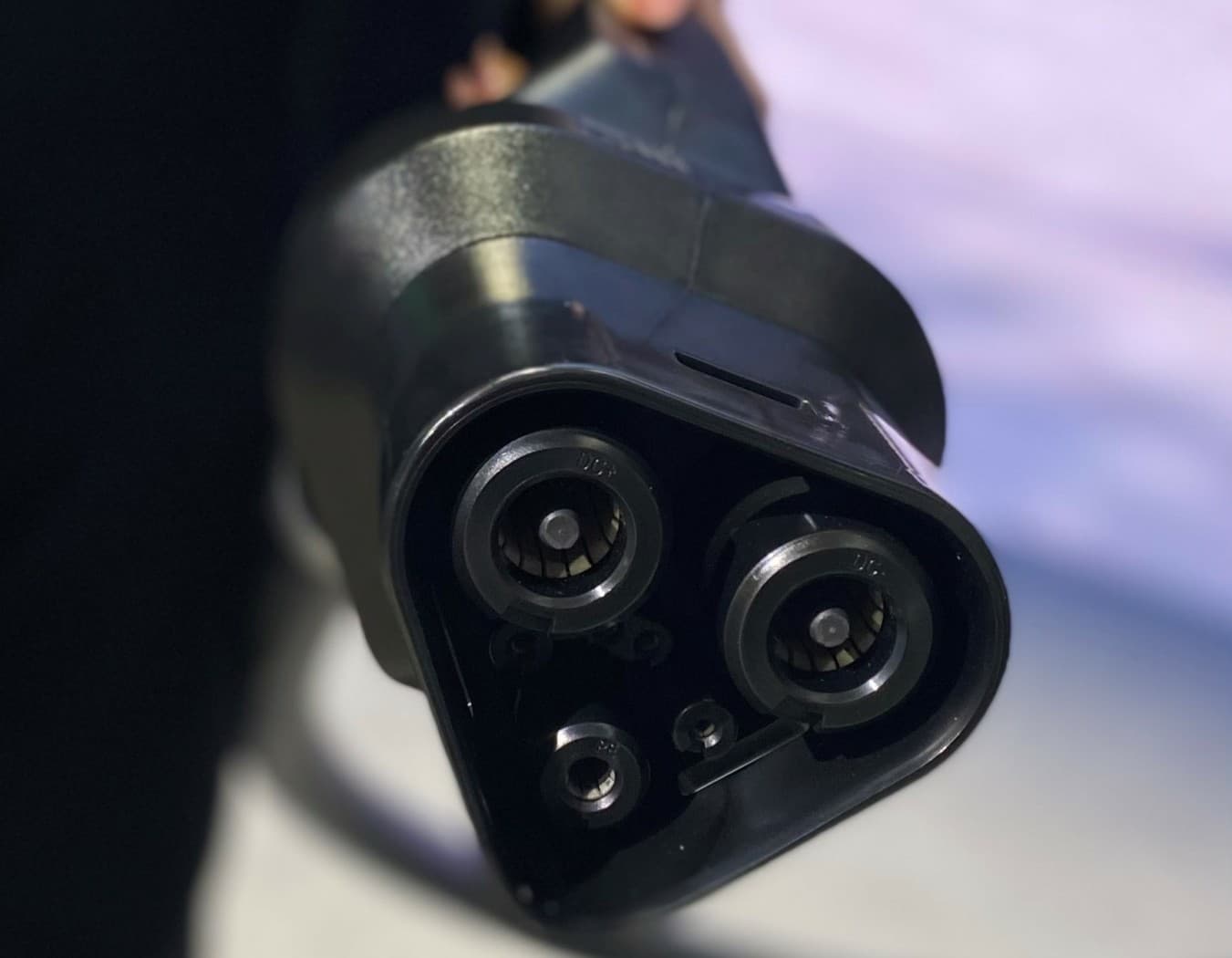
Charging hubs need a coordination plane
A charging hub without slot data is a parking lot with a price tag.

Fleet operations
The yard is where electrification pays first
Yards run at full resolution: every move counted, every watt attributed.
Fleet operations
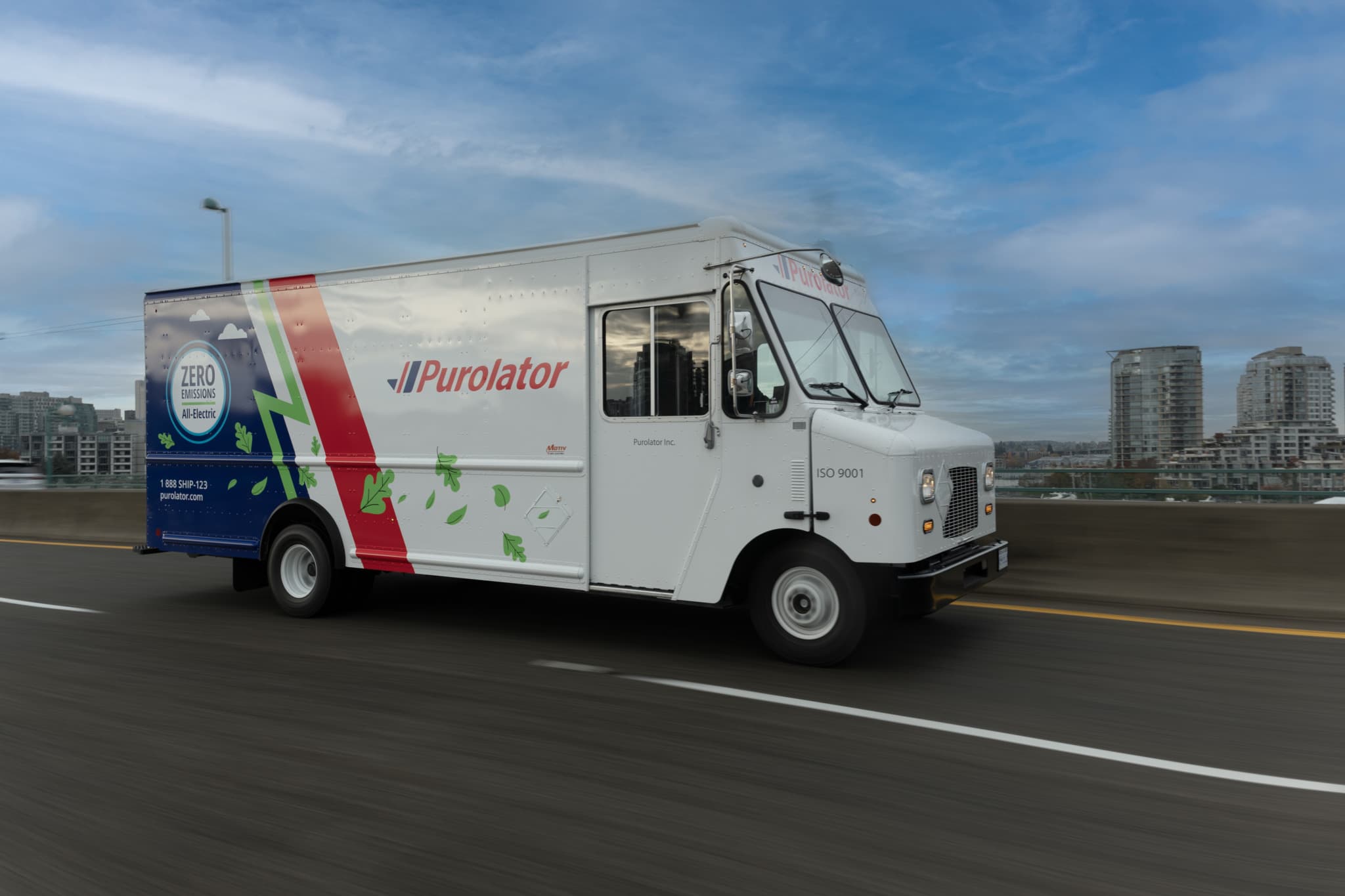
The electric last mile is a routing constraint
Range is a live constraint. Plan for it in real time and settle the trip against real consumption.