
Fleet operations
From one truck to 9,000: what scaling really changes
A 70-year carrier journey shows the inflection: the moment operations must become systemic, not personal.

A carrier that goes from one truck to 9,000 in seven decades is a case study in compounding — but the growth was never linear. It was a series of bets on markets, equipment and, increasingly, on data systems.
Scale changes the operating problem
At one truck, the dispatcher is the owner who knows every load by heart. At 9,000, no single person can hold that — the company runs on shared, live information.
- What scales and what does not
- Routes and pricing do not scale by memory
- Processes do scale when encoded as systems
- Culture scales slower than software
A fleet's 70th anniversary is really a celebration of having learned to trust systems instead of heroes.
For any carrier, the mile markers to watch are the ones where a process had to stop being personal and start being systemic — that is the moment software matters.
Key takeaways
- A carrier that goes from one truck to 9,000 in seven decades is a case study in compounding \u2014 but the growth was never linear.
- A fleet's 70th anniversary is really a celebration of having learned to trust systems instead of heroes.
- Scale changes the operating problem: At one truck, the dispatcher is the owner who knows every load by heart.
Related reading
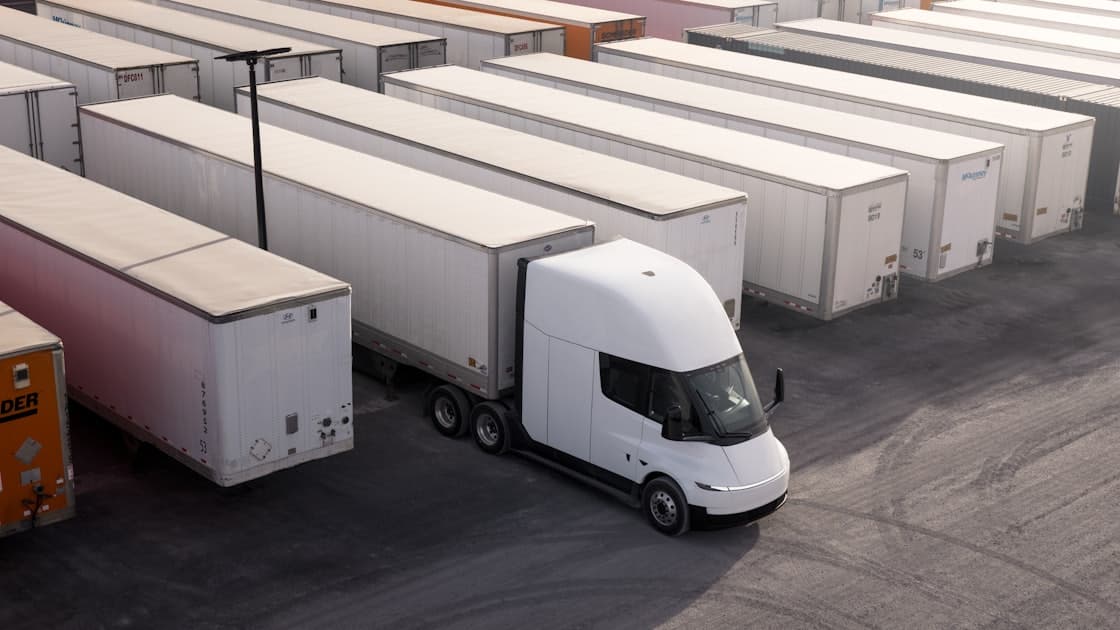
Fleet operations
An electric fleet is a scheduling problem
The battery is a fuel tank with a schedule. Plan charging like a dock window.
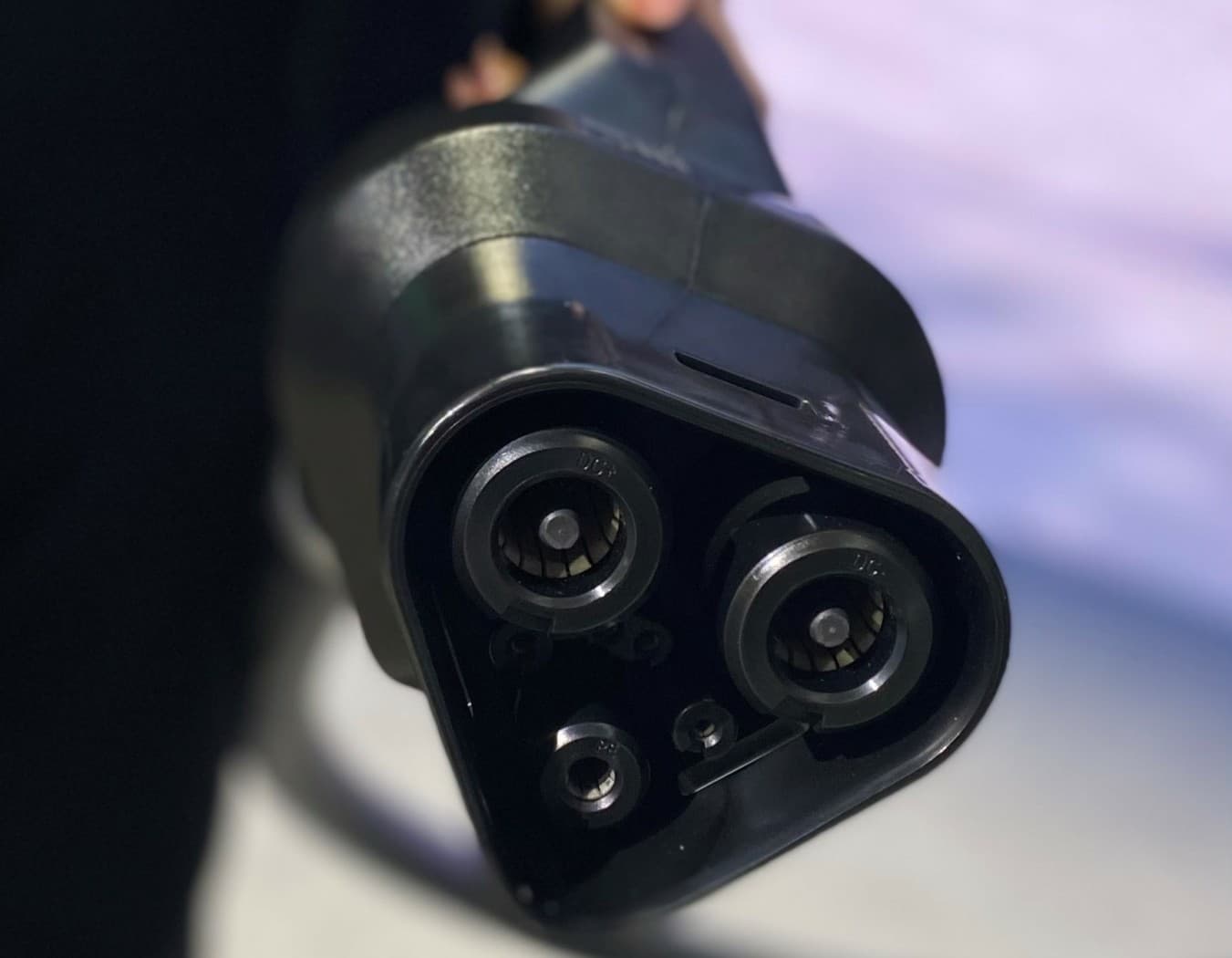
Fleet operations
Charging hubs need a coordination plane
A charging hub without slot data is a parking lot with a price tag.
Fleet operations
The yard is where electrification pays first
Yards run at full resolution: every move counted, every watt attributed.
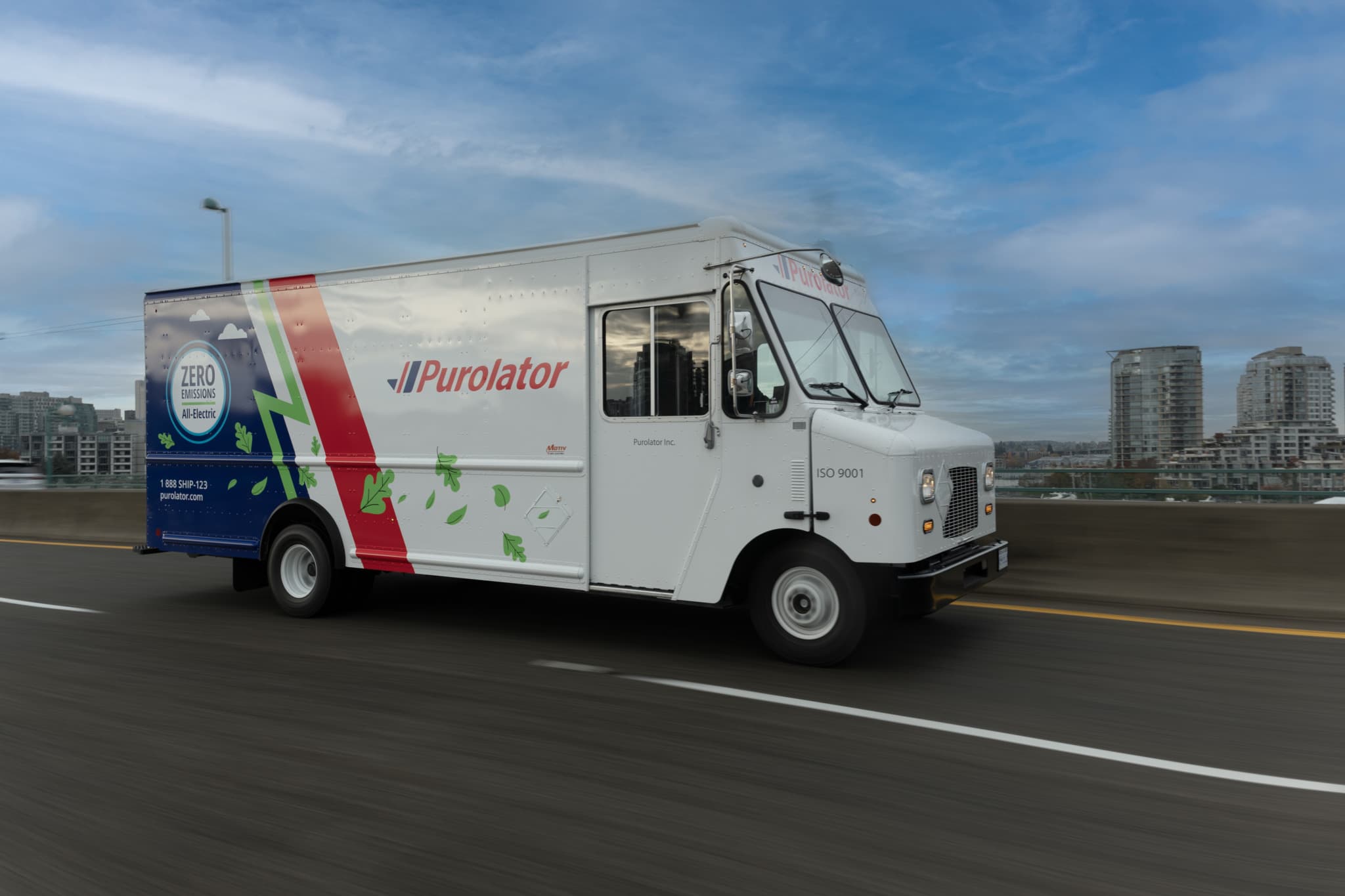
Fleet operations
The electric last mile is a routing constraint
Range is a live constraint. Plan for it in real time and settle the trip against real consumption.